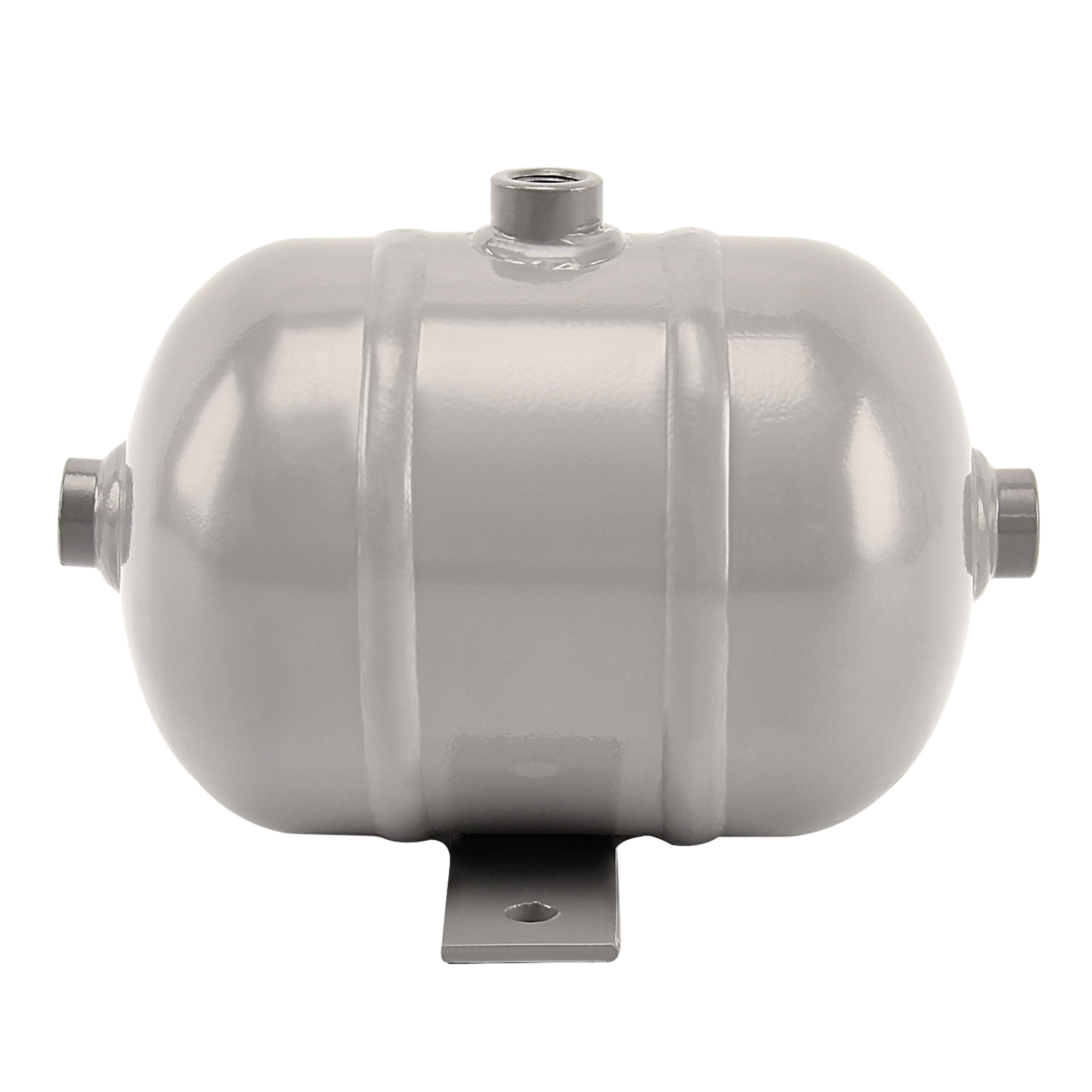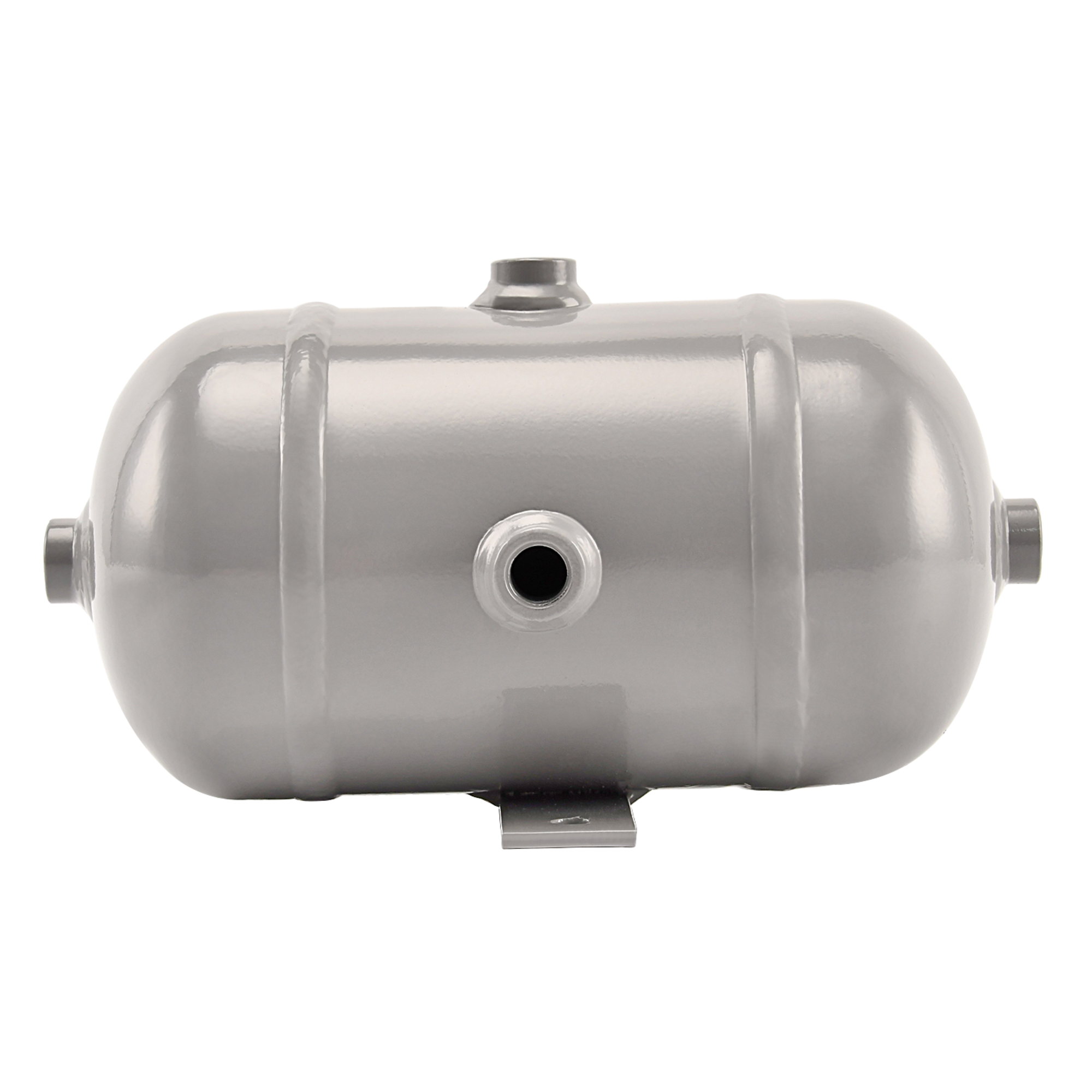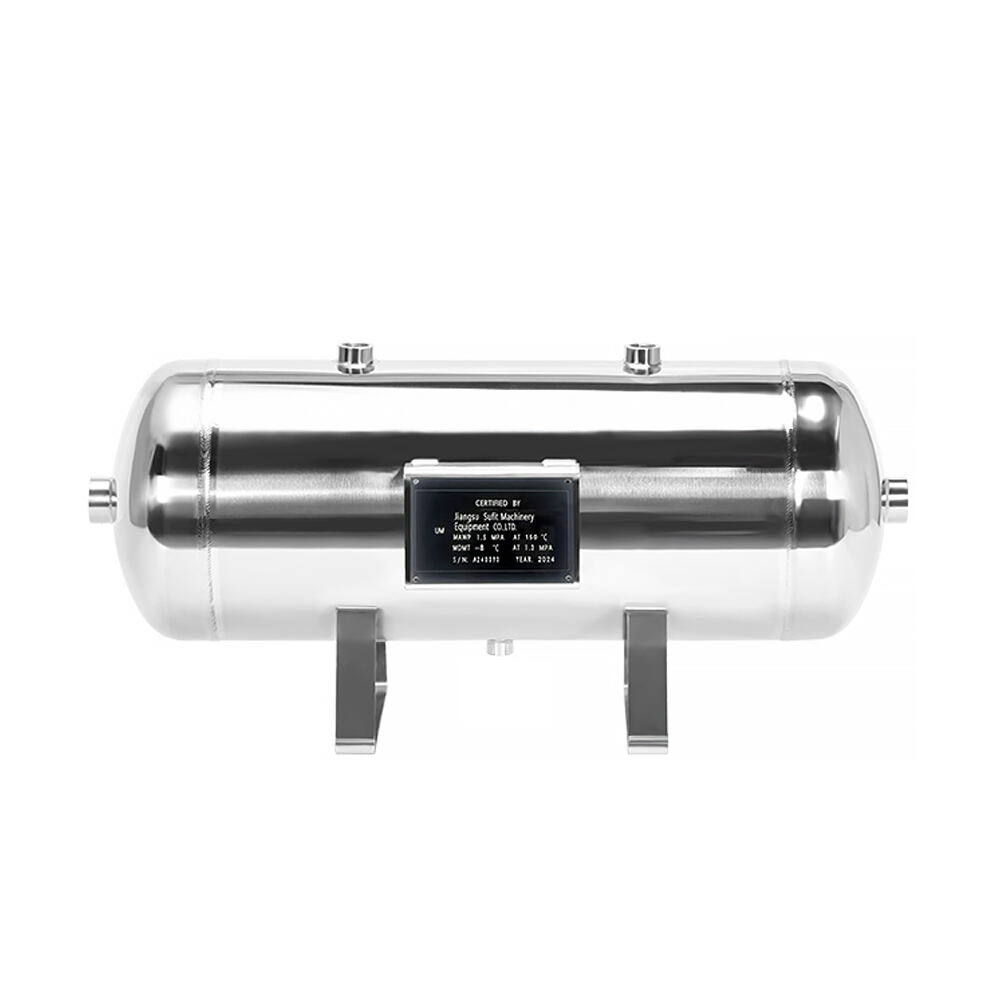
Air compressors are an extremely useful tool that can add energy to any task performed in a variety of settings from industrial and manufacturing applications, through commercial garages or right down into al the smallest jobs at home-for example powering nail guns & spray painters. An essential component at the heart of every air compressor system is an Air Compressor Tank. In addition to its function as a holding tank for compressed air, the size of material and construction method chosen can be determinative factors in determining whether an entire compressor unit is efficient enough, reliable or safe. The more that technology advances, and the broader that user applications expand having an in-depth knowledge of air compressor tanks is becoming even more critical. In this comprehensive piece, we will be discussing all things related to air compressor tanks; highlighting key considerations when it comes to sizing, selection as well as some critical maintenance and optimization steps you can take with your irreplaceable equipment. We will also highlight some of the recent advancements that shape support future tank technology in air compressor tanks.
Picking the right tank size is a key step in making sure your tools always get enough airflow immediately. The required pressure (PSI) and the volume of air per minute delivered each are two most critical metrics, which you need to learn for a successful buying process. In heavy-duty and continuous use applications, a small tank is insufficient to allow the air compressor downtime long enough for pressure rehabilitation; with those tools requiring much more than 5 or six seconds of on-time before the motor cuts in, they'll simply need a larger-sized tank. A good rule of thumb is to find the maximum CFM consumption rate (usually at 90 or 100 psi) for your tool, and then multiply that by desired run-time in minutes ~and select a tank which can deliver that volume or more air~ generated-thanks to Bronco_buster.
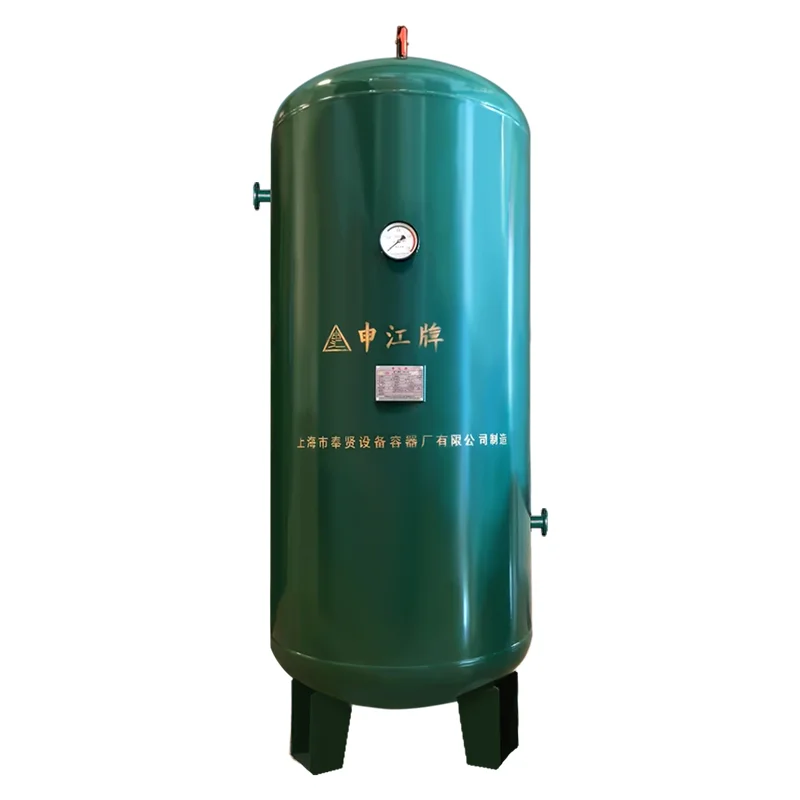
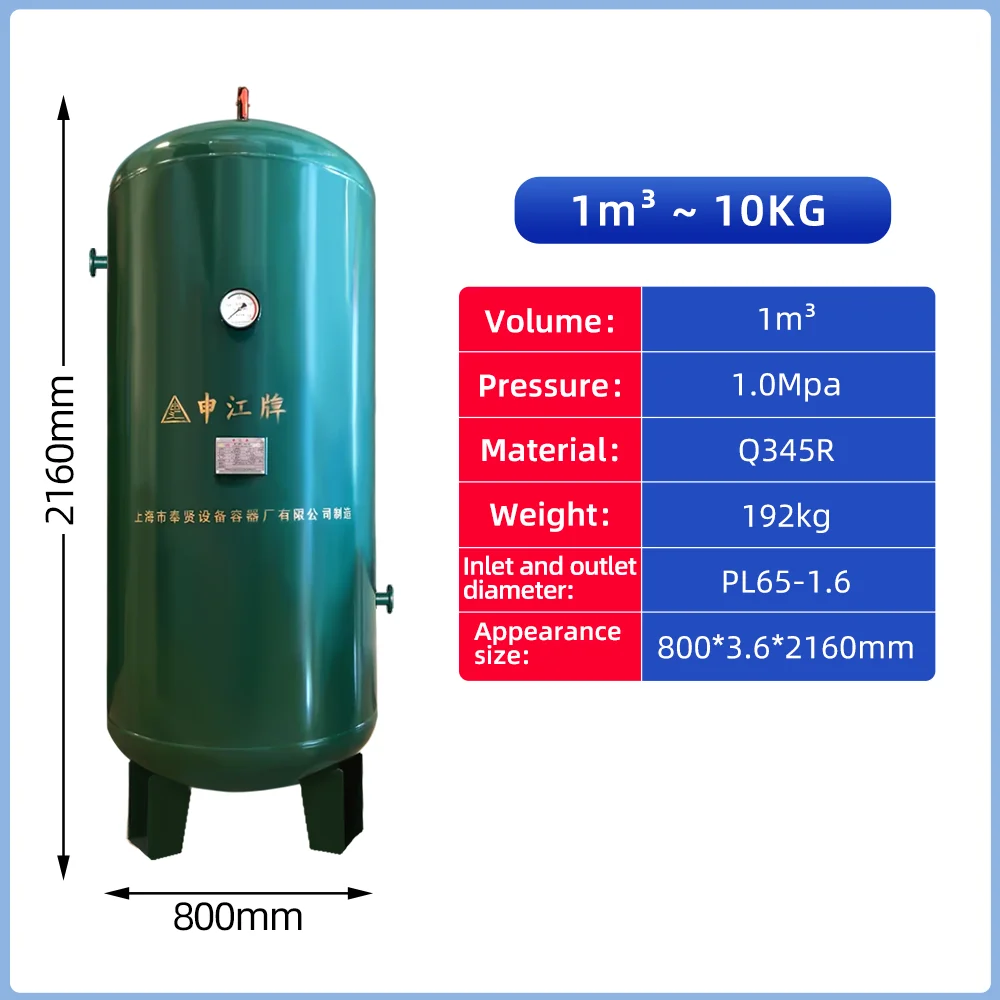
Not all tanks are created equal and size is just one aspect to consider, your tank material will require careful selection as well along with being portable enough to move around from job site or building project.Importantly you need ensure the chosen model suitable for our compressor system. Heavier steel tanks (designed for higher-pressures, and therefore thicker wall) are much less expensive than aluminum as they require far less exotic alloying materials to be manufactured from, making them ideal choices for average medium or larger-capacity SCUBA cylinders. While portable tanks with wheels/handles can be flexible on-site, stationary tanks are more suitable for workshops or factories. During your selection process, be sure that the tank's valve and hose connections meet up with what is required to operate from your compressor through any tool.
Safeguarding both your investment and safety, regular maintenance helps to prolong the life of an air compressor tank. Properly more important is the regular draining of accumulated moisture in tank, lest.- interfere with your carburettor and starts creating rust and internal pitting. Additionally, having the equipment checked regularly can avoid failures are caught early (e.g., leaks/dents/rust). To steel tanks apply a protective layer of paint. This help in preventing rust from building up on the exterior sides Finally, routine maintenance per the manufacturer's recommendations (including regular pressure tests and visual inspections) will help to preserve performance levels in your cylinder as well.
Why PSI and CFM Matters For Your Air Compressor Tanks To outperform, or even match the performance of other tanks on the market you need to understand these two keynumbers.
PSI (pounds per square inch) is a measure of the pressure at which air is moved, CFM (cubic feet per minute) quantifies how much air volume goes from one location to another. Ideally, you utilize these ratings to properly size the demands of your tools so that operation is efficient. Smaller tanks will eventually be overworked to maintain consistent pressure during prolonged tool use - and the tools can fail or become less efficient. Oversized tanks, on the contrary, may run into energy wastage. Balancing the line pressure with PSI and CFM requirements allows your compressor to perform in its ideal operating range which results in better tool performance overall, along with a lower power consumption.
Air compressor tank technology evolves to optimize efficiency, durability and ease of use. Due to their high corrorsion resistance and good handling in case of higher pressure, these composite tanks are just becoming more popular as they combine materials such a light-weight fiber-glass with excellent strength. If a tank has hundreds of sensors in place, and they are connected to an IoT cloud solution such as Balenacloud using the existing devices for connectivity leads to smart tanks monitoring its health 24*7. Predictive failures detected by users can prevent accidents later on. Integrated air dryers and filtration: which improve air quality in the most demanding applications, helping to extend tool life by reducing wear on key internal components of pneumatic tools as well as improving end product quality. IoT has given customers the advantages of remote monitoring, predictive maintenance and effectively managing their compressor systems proactively to reduce downtime.
The air compressor tank is an elementary part of the world of compressed air systems. Taking care to measure their size correctly, make the right choices and take good care of them in articular alongside following technological advancements can let users optimise these tanks to achieve superior working conditions not only driving efficiency on operational front but also ensuring safety and longevity respectively. Understanding some of the finer points about air compressor tanks is crucial to making great use of compressed air in professional workshops or DIY situations.
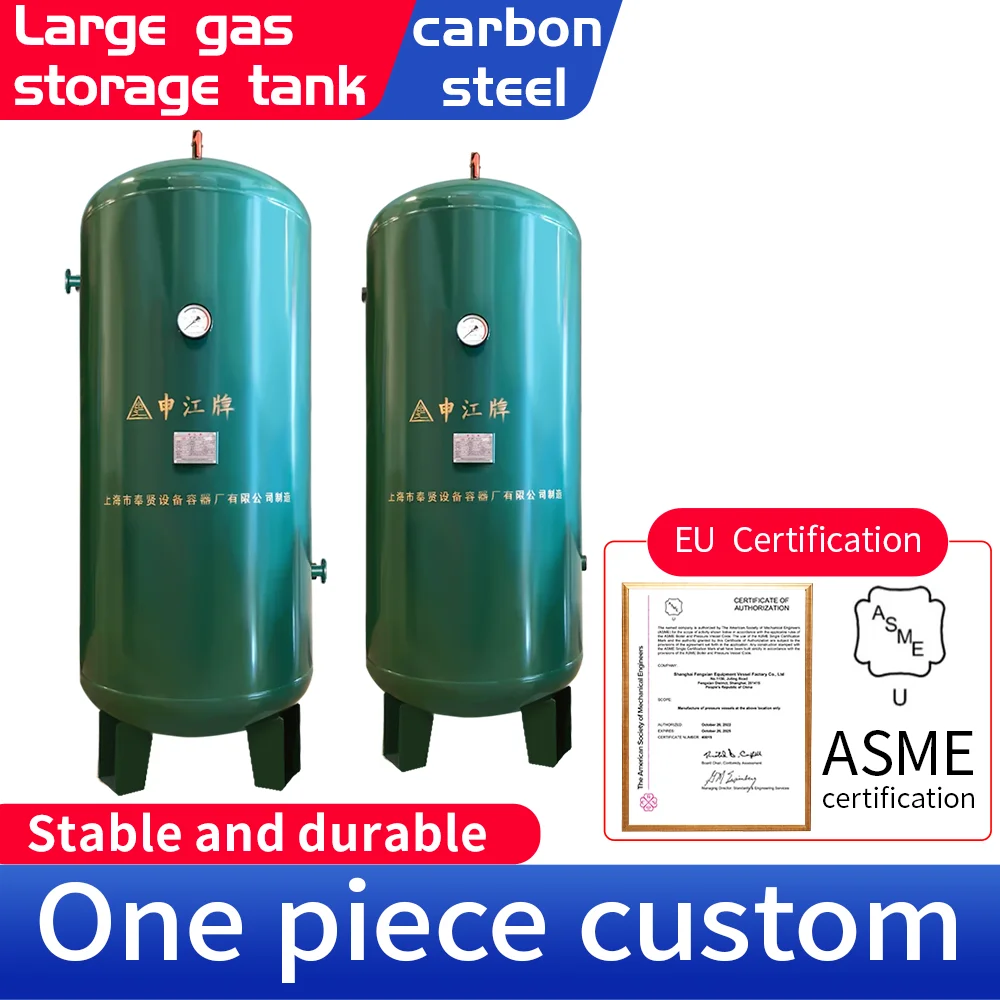
company holds American ASME qualifications Chinese TS certification.At the same time, it has group employees who have more than 10 years solid manufacturing experience. This ensures reliability and quality products from air compressor tankequipment the operators. So far, has group of faithful and steady customers both US and overseas.
As highly professional company with its roots the field vacuum, in order serve various types of clients, we provide various types business models, such as retail, wholesale and custom processing. can provide customers with suitable production equipment design air compressor tankand high-quality goods that are suited to different customer's site and production needs. The company offers complete array customizing service solutions: from demand analysis, choice of product, draft design and installation of equipment for production, product production to product landing you offer all-in-one solutions customization of products vacuum equipment.
company air compressor tankteam more than 10 professional designers and R D engineers over 10 years' experience in field of equipment and product research and development. can customize various professional products and equipment according to the needs different customers to meet customer needs.Meanwhile, we have an efficient sample response process enables us to quickly provide customers with high-quality sample services.
2012, parent company a highly professional company that combines research and development vacuum machines along with sales and production that has nearly 13 years of experience in the field vacuum. more than 13 years industrial experience, business has stable experience in the fields procurement, production and air compressor tank, has built up many loyal customers. A large scale procurement and standard production give huge product cost advantages, and we can offer customers the finest items and services most affordable cost.