
How to Extend the Lifespan of Air Receiver Tanks
Air receiver tanks are essential components in many industrial applications, providing storage for compressed air and stabilizing system pressure. However, over time, exposure to air, moisture, and oxygen can lead to rust and corrosion, significantly shortening the lifespan of these tanks. In this article, we will discuss the causes of rust on air receiver tanks and share practical solutions to prevent rust and extend the lifespan of your air receiver tank.
1. Understanding the Cause of Rust: Why Air Receiver Tanks Rust
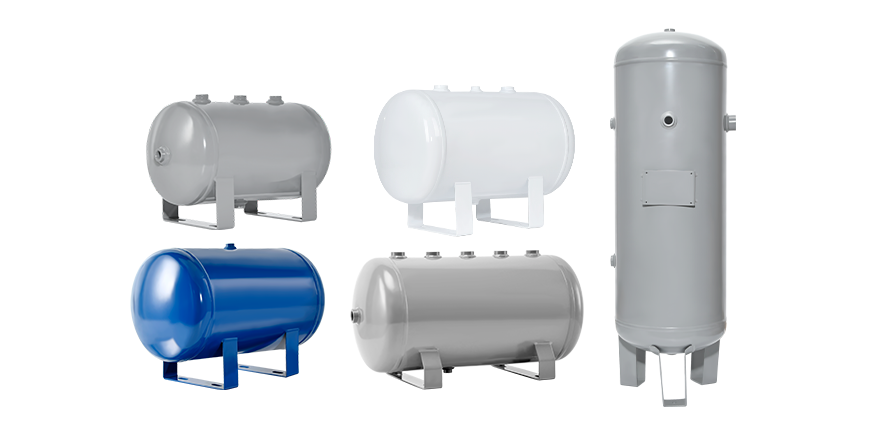
Air receiver tanks are primarily made of carbon steel, a material prone to rust when exposed to environmental factors. As tanks are used outdoors or in humid environments, moisture from the air and water vapor in compressed air can cause oxidation on the steel surface. This process accelerates in areas like the tank's inner wall, where compressed air containing moisture and oil is stored, leading to rapid corrosion.
Moreover, weld seams in tanks are particularly vulnerable to corrosion. During welding, defects such as slag inclusions and air pockets can form, creating perfect conditions for localized rust (pitting corrosion) to develop. If left untreated, these issues can severely reduce the tank's structural integrity.
2. Effective Coating Solutions: Choosing the Right Anti-Rust Paint
One of the most effective ways to prevent rust on air receiver tanks is by applying a high-quality anti-corrosion coating. Epoxy Zinc-Rich Paint is commonly used for this purpose. This type of coating offers excellent cathodic protection, shielding the tank from corrosion by creating a sacrificial barrier that prevents the underlying metal from rusting.
Key Benefits of Epoxy Zinc-Rich Coatings:
3. Maintenance Tips for Extending the Lifespan of Your Air Receiver Tank
Regular maintenance and the right preventive measures can significantly extend the lifespan of your air receiver tank. Here are a few practical tips:
A. Keep the Tank in a Dry and Ventilated Area
Ensure that the air receiver tank is placed in a dry and well-ventilated area. Humidity and prolonged exposure to water, especially rain, can lead to rust formation. If the tank is used outdoors, consider installing a protective cover or storing the tank in a controlled environment.
B. Regularly Inspect for Signs of Corrosion
Inspect your air receiver tank regularly for any signs of corrosion, especially at the weld seams or areas where water might accumulate. Early detection of rust allows for timely intervention, preventing further damage.
C. Perform Routine Draining of Condensation
Compressed air always carries moisture, which can accumulate in the bottom of the air receiver tank. Regularly draining this moisture helps prevent internal rusting, as standing water inside the tank can accelerate the corrosion process. Ensure that you have a proper moisture separator and drainage system installed.
4. Why Choose a Rust-Proofed Air Receiver Tank?
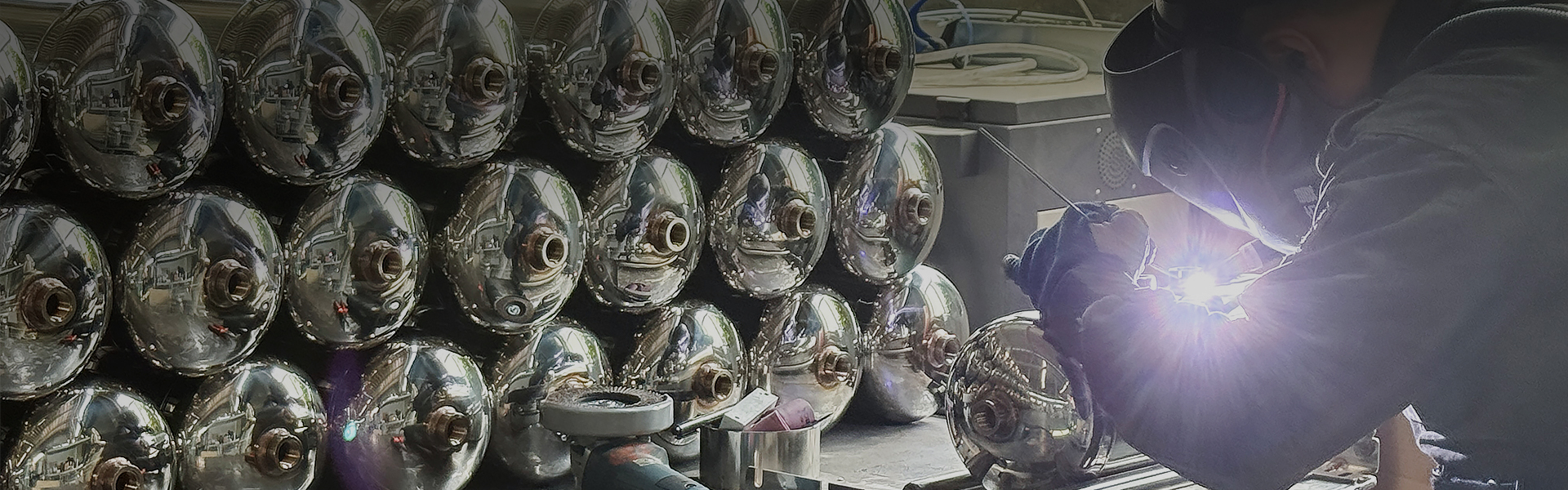
Many standard air receiver tanks come without any anti-corrosion treatment. However, if you require higher air quality standards or want to ensure a longer service life for your equipment, investing in a rust-proofed tank is a wise choice. For industrial users with high demands for air purity or in coastal regions with high humidity, the additional cost of anti-rust treatment is far less than the cost of replacing a rusted tank.
Conclusion: Protect Your Investment with Proper Maintenance
By choosing the right materials, applying quality coatings, and maintaining the tank regularly, you can significantly extend the lifespan of your air receiver tank. Regular inspection, moisture drainage, and ensuring a dry environment for the tank are essential practices to prevent rust and corrosion. If you're looking for expert advice on air receiver tank design and protection, feel free to reach out to Kunshan Youcheng Zhixin Co., Ltd., where our team can offer tailored solutions to meet your needs.
Call to Action: Get in Touch for Expert Advice and High-Quality Air Receiver Tanks
If you want to learn more about preventing rust on air receiver tanks or need help choosing the best anti-corrosion solution, contact our sales team today. We provide durable, rust-resistant tanks tailored to your specific requirements.

