
How to Choose the Right Air Receiver Tank for Your Compressed Air System
Choosing the right air receiver tank for your compressed air system is crucial for ensuring efficient operation and minimizing downtime. In this article, we’ll walk you through the key factors to consider when selecting an air receiver tank and provide tips for maximizing its performance.
What is an Air Receiver Tank and Why is It Important?
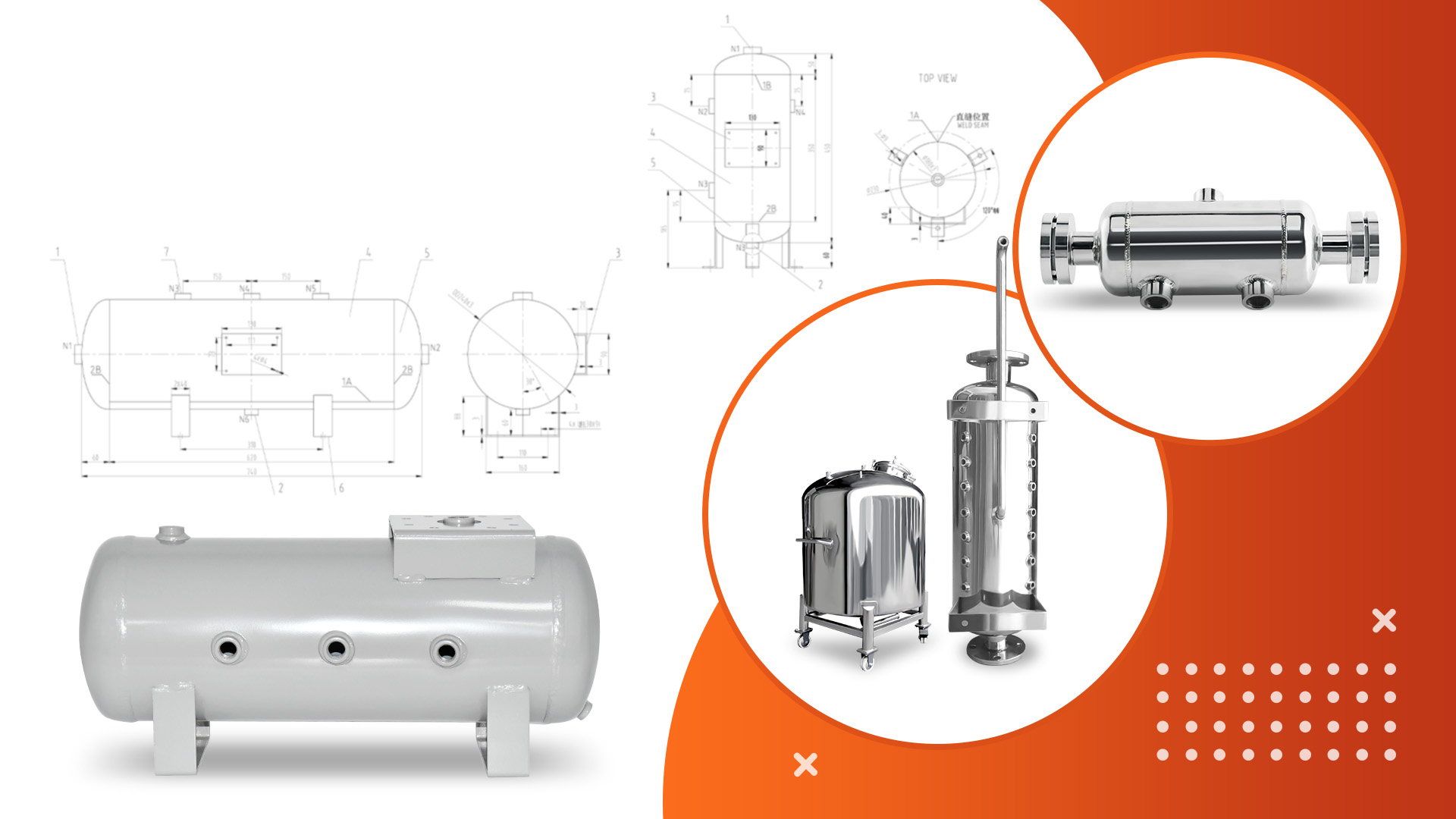
An air receiver tank plays a crucial role in a compressed air system by storing compressed air and helping maintain pressure stability. It acts as a buffer between the air compressor and the rest of the system, ensuring that there’s a consistent air supply, even during peak demand periods. Without a properly sized air receiver tank, your system could experience pressure drops, leading to inefficient operation and higher energy costs.
Key Factors to Consider When Choosing an Air Receiver Tank
When selecting an air receiver tank, consider the following factors:
Tank Size: The size of the air receiver tank directly impacts its ability to store compressed air. If the tank is too small, your compressor may run constantly, leading to energy inefficiency. Conversely, a tank that’s too large may take up unnecessary space and incur higher initial costs.
Material: Air receiver tanks are typically made from steel or aluminum. Steel tanks are more durable and cost-effective, while aluminum tanks are lightweight and resistant to corrosion.
Pressure Rating: Ensure the tank you choose matches the maximum pressure of your compressor. The tank’s pressure rating should exceed the working pressure to avoid potential safety hazards.
How to Properly Install and Maintain Your Air Receiver Tank
Proper installation and maintenance of your air receiver tank are essential to prolong its lifespan and ensure the system operates smoothly.
Installation Tips: Place the tank in a well-ventilated area to avoid overheating. Make sure the connections are sealed tightly to prevent air leaks.
Regular Inspections: Regularly inspect the tank for signs of rust or damage. The air receiver tank should also be drained periodically to remove moisture and prevent corrosion.
Cleanliness: Keep the tank clean and free from debris to ensure optimal air quality.
How to Avoid Common Mistakes When Choosing an Air Receiver Tank
Choosing the right air receiver tank isn’t always straightforward, and it’s easy to make mistakes that can impact the performance of your compressed air system.
Underestimating Size Requirements: Many businesses opt for a smaller tank to save costs, but a smaller air receiver can lead to more frequent cycling of the compressor, reducing efficiency and lifespan.
Ignoring Maintenance Needs: Failing to maintain the tank properly can result in rust, leaks, and even catastrophic failures. Make sure you schedule regular maintenance to keep everything in top shape.
In summary, choosing the right air receiver tank for your compressed air system is essential for maintaining stable pressure, reducing energy consumption, and extending the life of your equipment. If you need help selecting the perfect air receiver tank or require professional installation and maintenance services, contact our team today. We’re here to ensure your system operates at peak efficiency!

