

Hyperbaric Oxygen Therapy (HBOT) stands as a sophisticated, tightly regulated medical modality widely deployed for wound recovery, neurological rehabilitation, inflammatory disorder management, and emergency critical care. Unlike generic industrial compressed air circuits, HBOT systems demand uncompromising gas purity, stable operating pressure, and elimination of latent ignition hazards across the entire gas delivery path. Any particulate debris, leachable metallic ions, or surface corrosion defects within the air supply loop can directly threaten patient safety and compromise therapeutic outcomes.
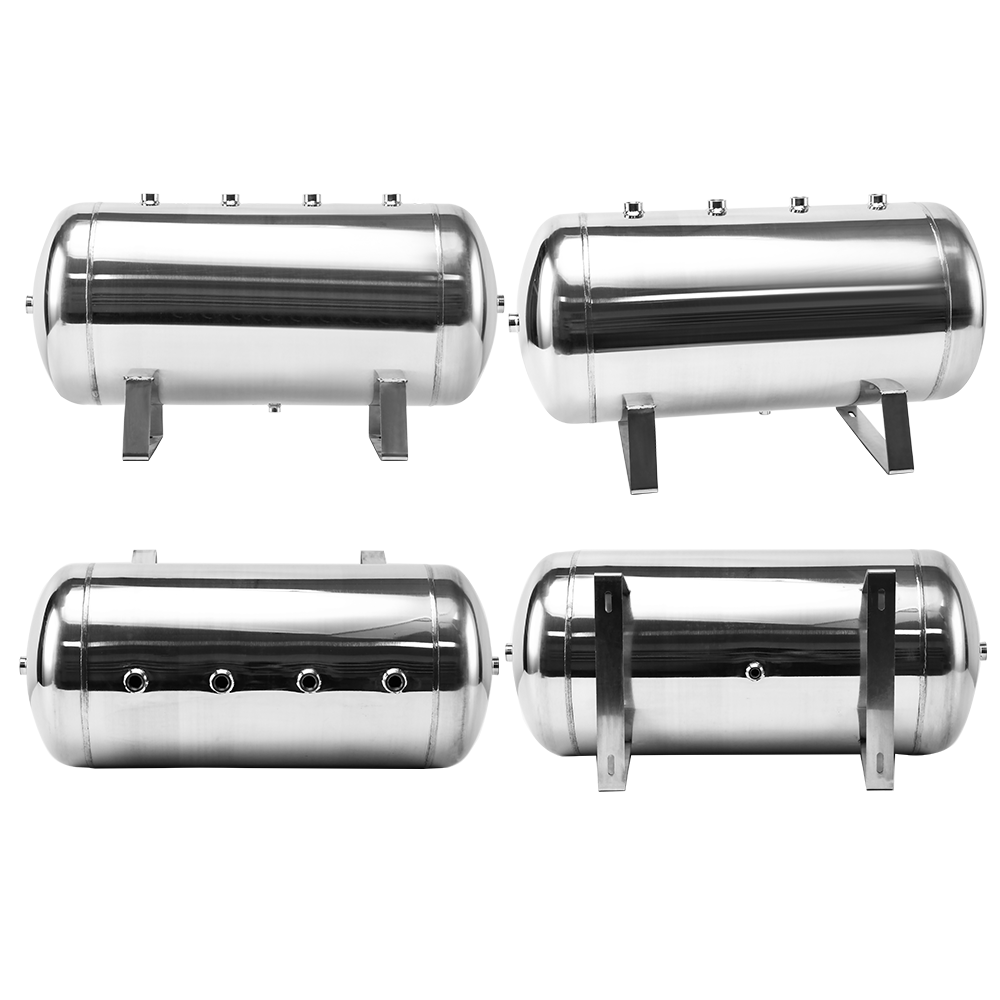
Positioned between oil-free air compressors and hyperbaric chamber assemblies, the air buffer storage tank fulfills multiple non-negotiable roles: pressure damping, flow stabilization, transient surge absorption, and partial impurity retention. Material selection for this pressure vessel is far more than a structural engineering decision. It underpins long-term operational reliability, medical gas cleanliness, corrosion resistance, and risk mitigation for the whole HAYA HBOT platform.
At YCZX, we specialize in custom-engineered medical-grade pressure vessels and gas storage tanks. Drawing on years of precision fabrication experience and a rigorous quality management framework aligned with medical equipment expectations, we develop tailored material and manufacturing strategies for high-end medical equipment such as the HAYA HBOT system. For this HBOT air buffer tank application, our engineering assessment confirms that SUS316 stainless steel delivers substantial, measurable advantages over conventional SUS304 stainless steel in corrosion resistance, medical cleanliness, cyclic pressure durability, and oxygen service safety margin。
Core Reason
The key difference comes from alloy composition: SUS316 contains around 2% molybdenum, while SUS304 has no molybdenum addition. Molybdenum greatly improves resistance to pitting and crevice corrosion triggered by condensate and trace chloride ions in compressed air.
Even with upstream dryers, trace water vapor will condense and accumulate at the tank bottom, weld roots and flange gaps during long-term operation. Ambient air carries chloride, which dissolves in condensate and forms corrosive electrolyte.
- SUS304: Its passive film is vulnerable to chloride attack. Local pitting corrosion may occur, generating rust particles and leachable metal ions. These solid contaminants can be carried into the hyperbaric chamber. In HBOT systems, loose metal debris creates dual hazards: contamination of therapeutic breathing gas and elevated ignition risk under high pressure and oxygen-enriched conditions.
- SUS316: The molybdenum stabilizes the passive oxide layer. It raises the threshold for localized corrosion, minimizing particle shedding and metal ion precipitation. This maintains stable gas cleanliness and reduces potential ignition hazards for medical hyperbaric oxygen service.
Cleanliness & Corrosion Fatigue
HBOT supplies breathing gas directly to patients, so particulate and heavy metal release must be strictly controlled. Once SUS304 develops hidden internal corrosion, metal contaminants can enter the gas stream and threaten patient safety. SUS316 retains intact surface integrity after pickling, passivation and oxygen-service degreasing, meeting medical gas purity requirements over decades of cyclic pressure operation.
Under repeated pressure cycling from the oil-free compressor, both alloys have similar baseline fatigue strength when no corrosion exists. However, corrosion pits on SUS304 act as stress concentration points and accelerate fatigue crack initiation. SUS316 avoids such corrosion pits, preserving the vessel’s designed fatigue performance and extending safe service life.
Applicable Boundary for SUS304
SUS304 can only be considered under extremely strict conditions: permanent zero liquid condensate inside the tank and low-chloride inland environment. Such ideal conditions cannot be reliably guaranteed for the full service life of clinical HBOT equipment. For medical scenarios where patient safety is the top priority, SUS316 is the more prudent selection.
YCZX Customization & Quality Assurance
Material selection is only one part of YCZX’s complete pressure vessel solution. We provide fully customized engineering for HBOT buffer tanks according to operating pressure, volume, connection layout and medical compliance requirements.
Our quality control system covers full material verification including PMI positive material identification, qualified welding procedures, visual inspection, PT penetration test and hydrostatic test. We perform internal weld grinding, polishing, pickling, passivation and oxygen-compatible degreasing. Full documentation including MTC, welding records, NDT reports and surface treatment certificates is delivered to support medical equipment validation and regulatory review.
YCZX manufactures medical-grade air buffer tanks with strict cleanliness, safety and durability standards for hyperbaric therapy systems, offering reliable and compliant custom pressure vessel solutions for global medical equipment partners.

