

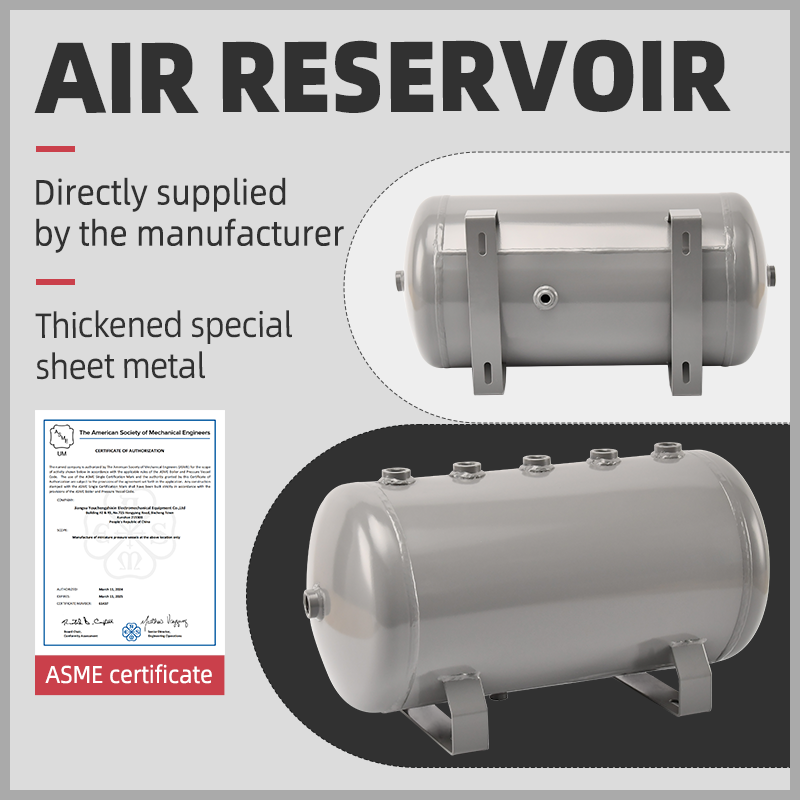
Le choix du matériau de base détermine la marge de sécurité, la ténacité à basse température et la durée de service des réceptacles à air. Les nuances d’acier au carbone-allié Q235B, Q355B et Q345R sont couramment utilisées dans le secteur. De nombreux acheteurs confondent l’acier structural général avec l’acier spécifique aux récipients sous pression. Chaque nuance d’acier présente des limites distinctes en matière de pression admissible, de température de fonctionnement, de résistance aux chocs et d’exigences en matière d’inspection. YCZX distingue rigoureusement les caractéristiques des matériaux et sélectionne la tôle appropriée en fonction des conditions réelles de fonctionnement sur site, afin de garantir la conformité aux normes GB150 et aux normes internationales applicables aux récipients sous pression destinés à l’exportation.
Q235B (acier structural général au carbone)
Q235B est un acier de construction courant acier au carbone , autorisé pour les récipients sous pression avec des contraintes strictes. Sa limite d’élasticité atteint 235 MPa. Il est limité à une pression de conception inférieure à 1,6 MPa, une épaisseur de coque ≤ 16 mm et une température de fonctionnement comprise entre 20 ℃ et 300 ℃. Seul un essai de choc à température ambiante de 20 ℃ est requis. Économique pour les systèmes simples d’air comprimé à basse pression en intérieur. Interdit en extérieur à basse température, en cas de fluctuations cycliques de pression ou dans des conditions de travail à haut risque, en raison d’une réserve de ténacité limitée.
Q355B (acier structural général à haute résistance faiblement allié)
Q355B offre une limite d’élasticité supérieure de 355 MPa. En tant qu’acier structural (GB/T 1591), ce n’est pas une tôle spéciale pour récipients sous pression. Elle ne nécessite qu’un essai de résilience à 20 ℃, sans vérification obligatoire à zéro degré en basses températures, ni inspection ultrasonore systématique de chaque tôle d’acier. Bien que ses caractéristiques mécaniques paraissent attractives, sa pureté interne, le contrôle des impuretés et sa réserve de ténacité ne sont pas comparables à celles des aciers spécifiquement conçus pour récipients sous pression. Il est principalement destiné aux structures de bâtiments et aux châssis mécaniques, et n’est pas recommandé comme matériau principal pour les enveloppes des récepteurs d’air sous pression conformément à la norme GB150.
Q345R (acier faiblement allié spécialisé pour récipients sous pression, GB/T 713)
Q345R (« R » signifie récipient sous pression) est une tôle d’acier spécialement conçue pour la fabrication chinoise de récipients sous pression. Elle impose un contrôle plus strict des impuretés soufre et phosphore afin d’assurer une plus grande pureté du matériau. Un essai de résilience à basse température à 0 ℃ est obligatoire, ainsi qu’un contrôle ultrasonore feuille par feuille, éliminant ainsi les défauts internes du matériau. Elle offre un équilibre optimal entre résistance, ductilité, soudabilité et tenue à la fatigue sous sollicitation cyclique de pression. Elle supporte des plages plus étendues de température et d’épaisseur, s’adaptant aux environnements intérieurs ou extérieurs, aux climats froids du nord et aux conditions de fonctionnement à moyenne ou haute pression. Pour les réservoirs d’air industriels, le Q345R constitue le matériau conforme privilégié dans la plupart des projets exigeants et destinés à l’exportation.
| Élément | Q235B | Q355B | Q345R |
| Type d'acier | Acier structurel au carbone courant | Acier structurel faiblement allié courant | Acier spécial pour récipients sous pression |
| Limite d'élasticité | 235 MPa | 355 MPa | 345 MPa |
| Exigence de résilience | 20 ℃ | 20 ℃ | Résilience obligatoire à 0 ℃ |
| Test ultrasonique | Non obligatoire | Non obligatoire | Contrôle ultrasonore feuille par feuille requis |
| Champ d'application | Uniquement pour usage intérieur simple, basse pression | Châssis structurels, non recommandés pour les enveloppes de récipients | Matériau standard pour les récepteurs d’air industriels, couvrant une large gamme de conditions de fonctionnement |
Les écarts de performance des matériaux ne peuvent pas être évalués uniquement à partir des valeurs de limite d’élasticité. Les aciers de construction généraux Q235B et Q355B sont soumis à des restrictions réglementaires claires lorsqu’ils sont utilisés pour des récipients sous pression. YCZX privilégie l’acier de qualité récipient sous pression Q345R pour la majorité de sa production de récepteurs d’air. Nous vérifions rigoureusement les certificats d’essai d’usine pour chaque plaque d’acier reçue et effectuons des inspections complètes couvrant le soudage, le meulage et les essais d’étanchéité à la pression d’air. En fonction des paramètres de pression, de température et d’environnement sur site client, nous fournissons des conseils rationnels en matière de sélection des matériaux, évitant ainsi des substitutions de matériaux non sécurisées et livrant des récipients sous pression fiables et conformes aux normes applicables aux utilisateurs industriels du monde entier.

