
Zasady instalacji zbiorników magazynujących powietrze
Prawidłowa instalacja zbiornika na gaz jest kluczowa dla zapewnienia bezpiecznej i efektywnej pracy. Istnieje kilka ważnych czynników, które należy wziąć pod uwagę przed, podczas i po procesie instalacji. Poniżej przedstawiono najważniejsze środki ostrożności podczas montażu:
temperatura otoczenia
Temperatura otoczenia w miejscu instalacji powinna mieścić się w zakresie temperatur roboczych zbiornik powietrza . Jeśli temperatura przekracza ten zakres, należy podjąć odpowiednie działania, takie jak izolacja lub przeniesienie zbiornika do wnętrza z regulacją temperatury, aby zapobiec uszkodzeniu sprzętu i zagwarantować jego optymalną wydajność.
2. Przestrzeganie określonych parametrów
Niezbędne jest stosowanie zbiornika pneumatycznego w zakresie parametrów określonych w dokumentacji technicznej. Obejmuje to takie parametry jak ciśnienie, temperatura i rodzaj medium. Praca poza tymi parametrami może prowadzić do awarii sprzętu i zagrożeń bezpieczeństwa.
3. Unikaj kolizji i uderzeń
Podczas pracy pod ciśnieniem należy ściśle unikać kolizji i uderzeń w zbiornik gazowy. Ponadto nie wolno dokonywać demontażu ani montażu pod ciśnieniem. Jeśli demontaż jest konieczny, upewnij się, że urządzenie jest wyłączone, a ciśnienie obniżone do zera przed przystąpieniem do jakichkolwiek prac. Jest to kluczowe dla zapewnienia bezpieczeństwa podczas czynności konserwacyjnych.
4. Zawory bezpieczeństwa i manometry
Zawory bezpieczeństwa i manometry muszą być regularnie kalibrowane i utrzymywane zgodnie z krajowymi przepisami metrologii. Zapewnia to dokładne odczyty ciśnienia i zapobiega niebezpiecznym poziomom ciśnienia. Również regularna konserwacja zaworów ściekowych jest niezbędna, a te zawory powinny być okresowo opróżniane, aby uniknąć zatory i zagwarantować sprawną pracę.
5. Proste naczynia ciśnieniowe
Dla użytkowników prostych naczyń ciśnieniowych nie jest wymagana rejestracja ani regularne przeglądy, o ile przestrzegają harmonogramu konserwacji firmy. To upraszcza proces, ale podkreśla znaczenie regularnej konserwacji w celu zapewnienia bezpiecznej pracy.
6. Uwagi dotyczące korozji
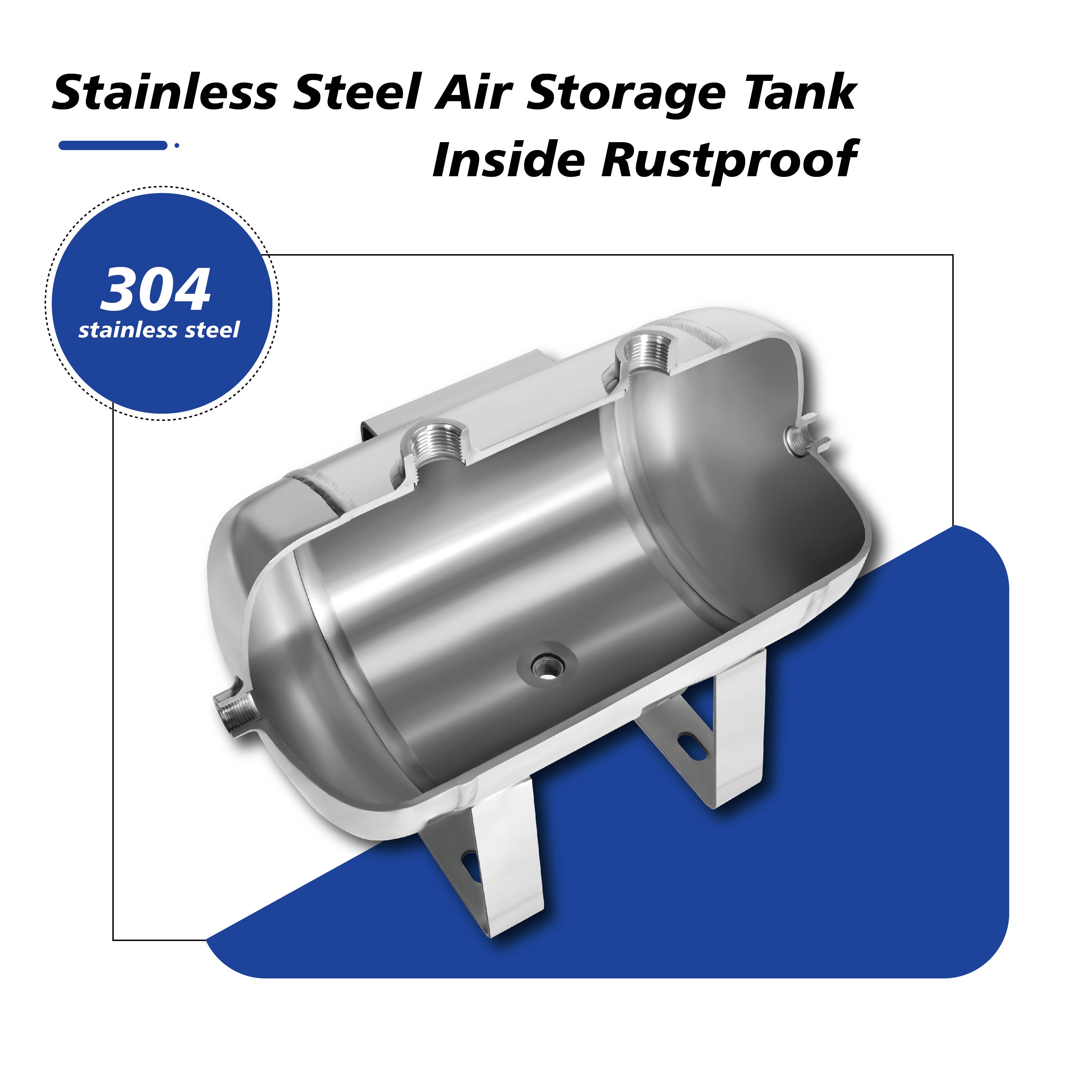
Ponieważ zbiornik gazu wykorzystuje wodę i sprężone powietrze jako ośrodki robocze, stal węglowa zbiorniki mogą ulegać niewielkiej korozji w czasie z powodu czynników środowiskowych. Tempo korozji dla zbiorników ze stali węglowej wynosi zazwyczaj mniej niż 0,05 mm rocznie, przy zalecanej długości eksploatacji wynoszącej około siedmiu lat. Zbiorniki ze stali nierdzewnej z drugiej strony nie są narażone na korozję w przypadku czystych gazów i cieczy, również mają zalecaną długość eksploatacji wynoszącą siedem lat.
7. Zawory i zawory bezpieczeństwa
Nie powinno się instalować żadnych zaworów pomiędzy zaworem bezpieczeństwa a zbiornikiem. Gwarantuje to, że zawór bezpieczeństwa może działać poprawnie w sytuacjach nadciśnienia bez przeszkód lub ograniczeń.
8. Urządzenie do odprowadzania ciśnienia
Jeśli maksymalny przepływ dopływu przekracza dopuszczalną pojemność odprowadzania gazu z zbiornika magazynowego, użytkownicy powinni zainstalować w swoim systemie urządzenie do odprowadzania ciśnienia. Jest to kluczowa środowa bezpieczeństwa zapobiegająca nadmiernemu wzrostowi ciśnienia i potencjalnemu uszkodzeniu sprzętu.
9. Podłączenie do źródła gazu
Do połączenia zbiornika magazynowego gazu ze źródłem należy używać rur sztywnych. Należy dodawać odcinki kompensacyjne, aby zapobiec skokom ciśnienia. Jeśli użytkownik ma wysokie wymagania dotyczące czystości źródła gazu, zainstalowanie filtra na źródle może skutecznie poprawić czystość gazu docierającego do zbiornika.
10. Spawy i konserwacja
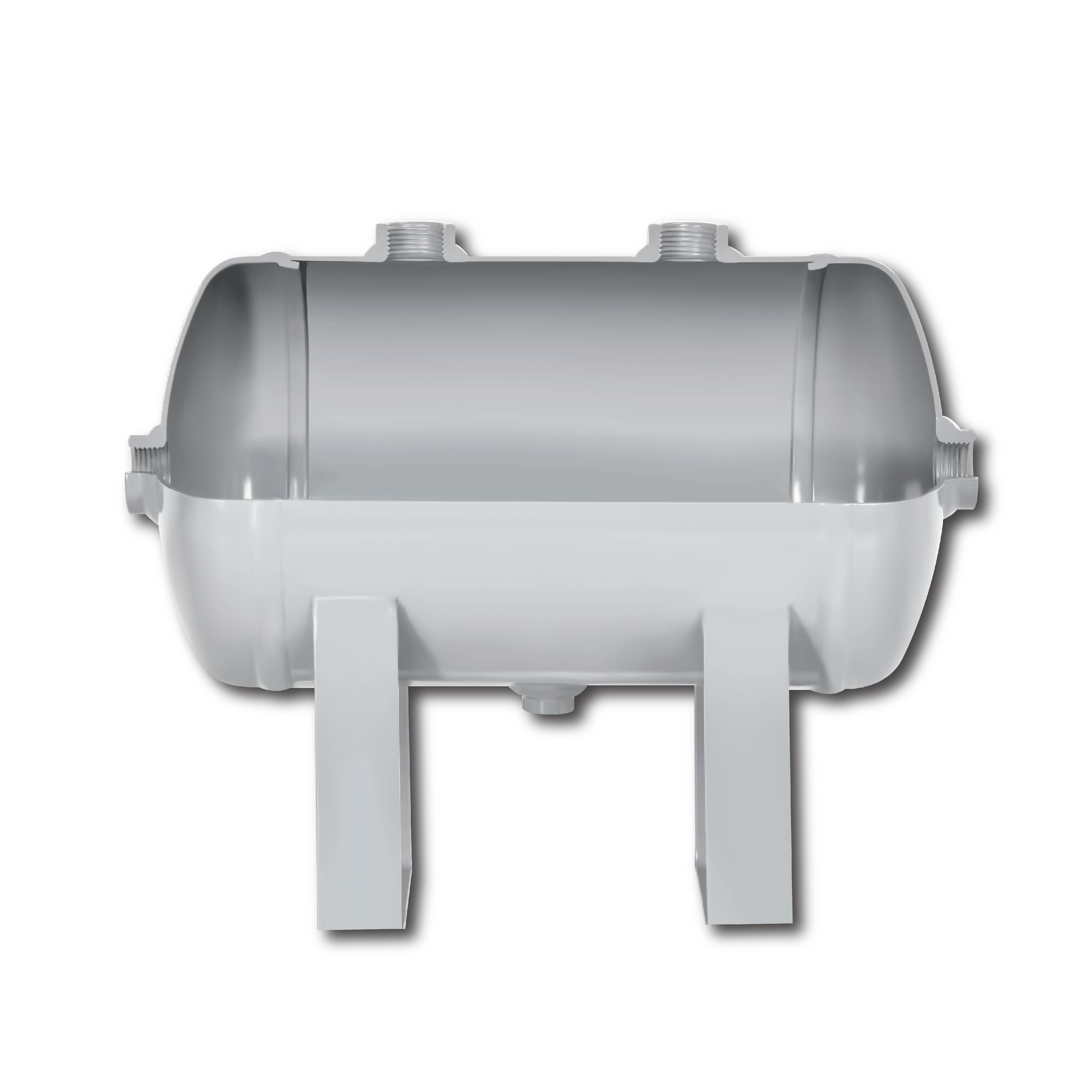
Ze względu na zastosowany w procesie produkcji sposób spawania normalne jest pozostawanie pewnej ilości żużlu spawalniczego wewnątrz zbiornika. Nie wpływa to na normalne funkcjonowanie zbiornika. Należy jednak regularnie otwierać zawór odpowietrzający umieszczony w dolnej części zbiornika do przechowywania gazu, aby odprowadzić skrapiającą się wodę i zapobiec korozji wewnątrz zbiornika. Regularna konserwacja zbiornika ma kluczowe znaczenie dla zachowania jego integralności oraz przedłużenia czasu jego użytkowania.
Podsumowanie
Poprawna instalacja i konserwacja zbiorników gazowych są niezbędne do zapewnienia długotrwałej, bezpiecznej i efektywnej pracy. Dzięki przestrzeganiu powyższych środków ostrożności można zapobiegać potencjalnym problemom, poprawić wydajność zbiornika oraz zagwarantować bezpieczeństwo podczas jego użytkowania. Zawsze należy kierować się wytycznymi producenta oraz lokalnymi przepisami dotyczącymi szczegółowych procedur instalacji.

