
In industrial settings, the air receiver tank plays a crucial role. Not only does it store compressed air, but it also helps stabilize pressure and protects the air compressor from pressure fluctuations. However, the selection, installation, and maintenance of the air receiver tank are often overlooked, leading to unstable air quality and even safety hazards. Properly choosing and maintaining an air receiver tank will not only enhance efficiency but also ensure safety.
Key Factors to Consider When Choosing an Air Receiver Tank
1. Understand the Specifications of the Air Receiver Tank
Selecting the right size air receiver tank is essential for the optimal operation of the air compressor. The capacity of the tank should be chosen based on the compressor’s operating pressure and air output. A tank that is too small will fail to store enough air, negatively impacting the continuous operation of the system. On the other hand, a tank that is too large wastes space and resources. Therefore, it’s essential to match the tank size with your actual needs.
2. Check the Material of the Air Receiver Tank
The material of the air receiver tank directly impacts its durability and safety. Common materials include carbon steel and stainless steel. Carbon steel is more affordable but can rust when exposed to moisture, while stainless steel is corrosion-resistant, making it ideal for use in humid or harsh environments. Choose the material based on the environmental conditions where the tank will be used.
3. Quality of the Safety Valve and Pressure Gauge
The safety valve and pressure gauge are critical components of the air receiver tank. The safety valve ensures that the tank automatically releases pressure when it exceeds the set limits, preventing potential explosions. The pressure gauge, on the other hand, is used to monitor the tank’s pressure levels. Always choose reliable, high-quality safety valves and pressure gauges from reputable brands to ensure the long-term, stable operation of the equipment.
Installation and Maintenance Tips for Air Receiver Tanks
1. Ideal Installation Location
The air receiver tank should be installed in a well-ventilated, dry area, away from fire sources and hazardous materials. Avoid placing it in locations with high humidity or temperature fluctuations, as these conditions may lead to water accumulation inside the tank, affecting the quality of the compressed air. An ideal location is one that minimizes exposure to potential fire or explosion hazards.
2. Proper Pipe Layout
When connecting the tank to the system, try to minimize the use of elbows in the piping, as elbows increase air flow resistance and reduce system efficiency. Additionally, the intake port of the tank should be positioned at a lower point, and the outlet should be at a higher point. This ensures that condensed water in the compressed air can effectively drain out of the tank. Not only does this improve the air quality, but it also enhances the performance of the air compressor.
3. Regular Draining of Water
During the operation of the compressor, moisture in the air condenses and collects in the receiver tank, especially in humid weather. To ensure the quality of the compressed air and the longevity of the equipment, the tank should be drained at least once a day. If possible, install an automatic drain valve to reduce the need for manual maintenance and improve efficiency.
4. Regular Inspection of Pressure Gauge and Safety Valve
The pressure gauge and safety valve need to be regularly inspected and calibrated. Check the pressure gauge daily to ensure it is providing accurate readings. If the gauge is faulty or inaccurate, replace it immediately. The safety valve should be calibrated at least once a year, and its operation should be checked to ensure it functions properly in emergency situations.
5. Secure Tank Mounting and Installation Distance
The air receiver tank must be securely mounted to prevent damage from vibration. Additionally, the tank should be installed at least 2 meters away from the air compressor, and soft hoses should be used for connection. This reduces the impact of vibrations on the system and minimizes the risk of issues arising from improperly secured connections.
Choose a Reputable Manufacturer for Quality Assurance
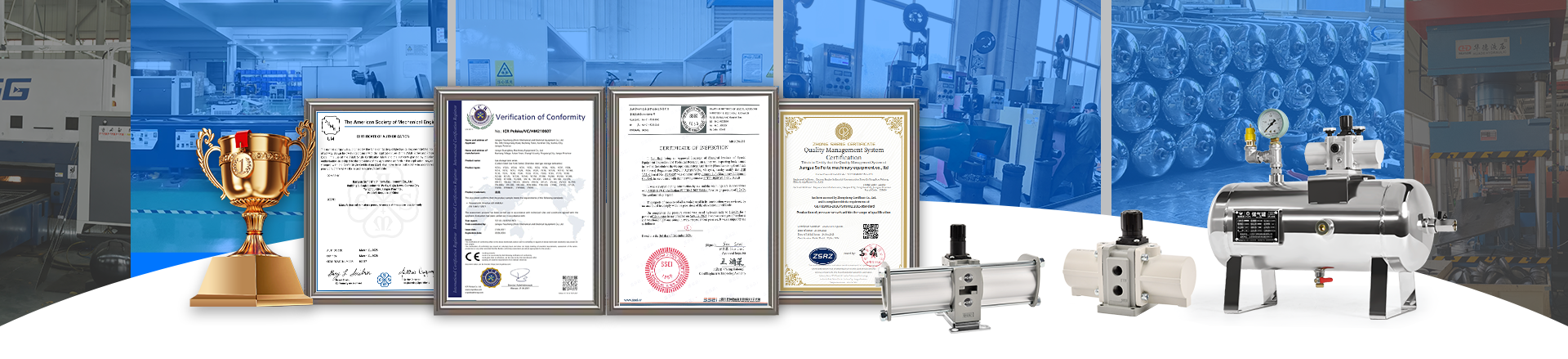
To avoid safety hazards caused by poor-quality products, always select a reputable manufacturer with proper certifications and a good track record. A reliable manufacturer will not only offer high-quality air receiver tanks but also provide excellent after-sales service to ensure the safe and efficient operation of your equipment. Youcheng Zhixin has many years of experience and owns three factories. We offer drop shipping services for single orders and provide customization options.
Conclusion: Safety Starts with the Air Receiver Tank
The air receiver tank plays an indispensable role in industrial production, and choosing the right tank, along with proper maintenance, ensures smooth and safe operation of the entire system. I hope this guide helps you understand the essential aspects of selecting and maintaining an air receiver tank, allowing you to keep your equipment running safely and efficiently.
When choosing an air receiver tank, quality, proper installation, and routine maintenance are key. By taking the right precautions and performing regular checks, you can ensure that your air receiver tank contributes to a safer and more efficient production environment.