
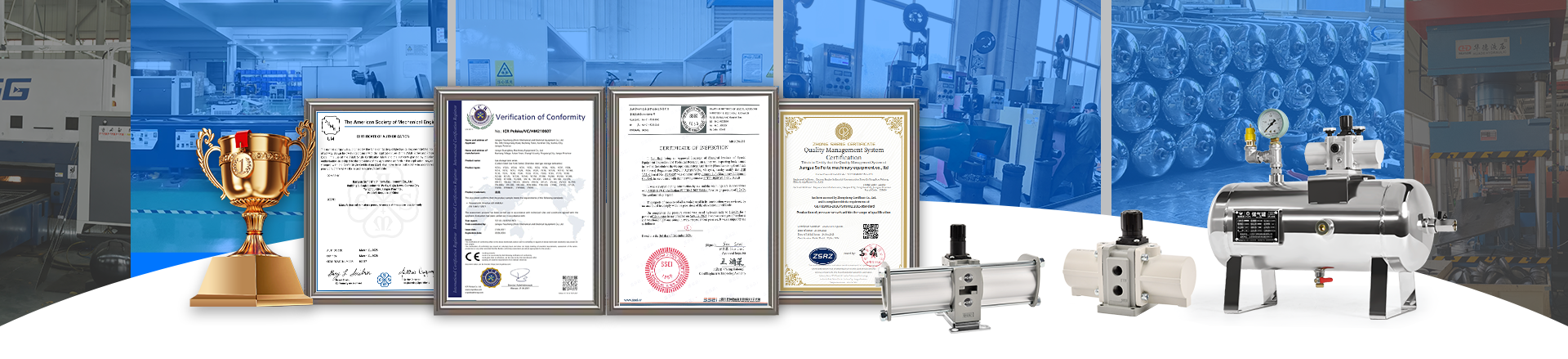
איך לתחזק את מיכל האוויר המכווץ שלכם: טיפים למיכלים מנירוסטה, מאלומיניום ופלדה פחמנית
תחזוקה תקינה היא חיונית כדי להבטיח את האורך והיעילות של מיכל האוויר המכווץ שלכם תנור אוויר . בין אם אתם משתמשים במיכל פלדת אל חלד , אלומיניום , או במיכל פלדה פחמנית, תחזוקה סדירה יכולה למנוע תיקונים יקרים ועצירת פעילות. במאמר זה נסקור אתכם את שיטות התיקון הטובות ביותר למיכלים מסוגים שונים של אוויר, וכיצד לשמור עליהם בתפקוד מרבי.
1. מדוע תחזוקה סדירה של מיכל האוויר המכווץ שלכם חשובה
מיכלי אוויר מצויים תחת לחץ קבוע, ותפישה של תחזוקה סדירה עלולה לגרום לבעיות חמורות כגון דליפות, קורוזיה ואף כשל במיכל. בדיקות תקופתיות יכולות לעזור לגילוי מוקדם של בעיות, מה שיחסוך לכם זמן וכסף לאורך זמן.
2. טיפים כלליים לתיקון לכל סוגי מיכלי האוויר
בне תלות בכך שהמיכל שלכם עשוי נירוסטה, אלומיניום או פלדה פחמנית, קיימים כמה טיפי תחזוקה בסיסיים שחלים על כל סוגי המיכלים:
בדוק לileaks: בדקו באופן תקופתי את מיכל האוויר שלכם לסימנים כלשהם של דליפה, במיוחד סביב השסתומים והמחברים.
ניפוץ רטיבות: לנקות תמיד את הרטיבות מהתאמה כדי למנוע קורוזיה בתוך התאמה, אשר עלולה לפגוע במבנה ולשפר את הביצועים.
בדיקה של שסתום ההשתחררות מהלחץ: לוודא ששסתום ההשתחררות מהלחץ פועל כראוי כדי למנוע עליית לחץ יתר, אשר עלולה להוביל למצב מסוכן.
3. תחזוקה ספציפית לתאי אויר נירוסטה
תאי אויר נירוסטה ידועים בהתנגדותם לקורוזיה, אך הם עדיין דורשים ניקיון קבוע כדי לשמור על ביצועיהם:
ניקוי תקופתי: משטחים של נירוסטה יכולים לאגור אבק ושמנים, אשר יש לנקות באמצעות סבונים מתונים ובגזרות רכות.
בדיקה למציאת חלודה: למרות שנירוסטה ניחנת בהתנגדות גבוהה לקורוזיה, עדין מומלץ לבדוק את המצאות חלודה או פיטינג, במיוחד בסביבות בעלות רמת לחות גבוהה.
4. איך לתחזק תאי אויר אלומיניום
תאי אויר אלומיניום קלים במשקלם ועמידים בפני חלודה, אך עלולים לסבול מגריעות משטחיות המשפיעות על הביצועים:
בדוק קערות אוScratches: אלומיניום עלול להתקלף בקלות רבה יותר מאשר פלדת אל חלד, לכן בדקו את המיכל שלכם לכל נזק שטחי שיכול לגרום לדליפות או לחולשה בחומר.
הימנעו ממוצרי כימיקלים קשים: בעת ניקוי מיכל אלומיניום, הימנעו משימוש בחומרים כימיים חזקים שיכולים לפגוע בפני השטח של המתכת. השתמשו במקום זאת בסוכני ניקוי עדינים.
5. תחזוקת מיכלי אוויר מפלדה פחמנית
מיכלים מפלדה פחמנית רגישים יותר לשחיקה ולחלודה, ולכן תחזוקה סדירה חשובה אף יותר:
בדיקה למציאת חלודה: אם תבחינו בכל חלודה על מיכל הפלדה הפחמנית שלכם, חשוב לטפל בכך באופן מיידי – נקו את האזורים הנגועים והחליקו עליהם שichten הגנה.
צפו את המיכל מחדש: כדי למנוע התפתחות נוספת של חלודה, שקולו לצפות מחדש את מיכל הפלדה הפחמנית שלכם בצבע עמיד לחלודה.
6. מתי לפנות למתמחה
אם תבחינו בבעיות משמעותיות כגון עיוותים במיכל, חלודה קיצונית או דליפות מתמשכות, הגיע הזמן לפנות למתמחה.
תחזוקה תקינה של מיכל האוויר המכווץ שלכם היא המפתח למניעת עצירות ולتمديد תוחלת החיים של הציוד שלכם. בין אם יש לכם מיכל נירוסטה, אלומיניום או פלדה פחמנית, עמידה בהנחיות התחזוקה הללו תסייע לשמור על פעולתו היעילה של המערכת שלכם. אם אתם זקוקים לעזרה מקצוענית או למידע נוסף על טווח מיכלי האוויר שלנו, אל תהססו ליצור קשר עם אנחנו היום.

