Tengingaraferð lofttanks
Time: 2025-12-08
Sem faglegur framleiðandi á loftgeymsluhólum hefur YCZX ríka reynslu af sveigju loftgeymsluhólanna. Við notum mismunandi sveigjuferli á mismunandi efnum og hlutum loftgeymsluhólanna.
Kolvetni og ryðfrítt stál loftvinnslutankann tanks
- S undirskolusveigja : Fyrir lengdarsaumur vélsveiting - lengdarsaumurinn á milli ásáttar (lengdaráttar) á loftvinnslutankann hlóðinni. Undirskolusveigja hefur kosti eins og staðbundin sveigjukvaliteta, há framleiðslueffekt, engin boga og minni reykur og dust.
- Gasmetalsveigja (GMAW) :fyrir c hringsáttar saumur vélsveiting -þverásaumarnir á milli hringja á loftvinnslutankann tankhlutinn, til dæmis við klöppunartengingar milli tankhlutins og endaþakanna eða hringlaga tengingar þegar margar hlutar af tankhlutnum eru sameinuð saman.
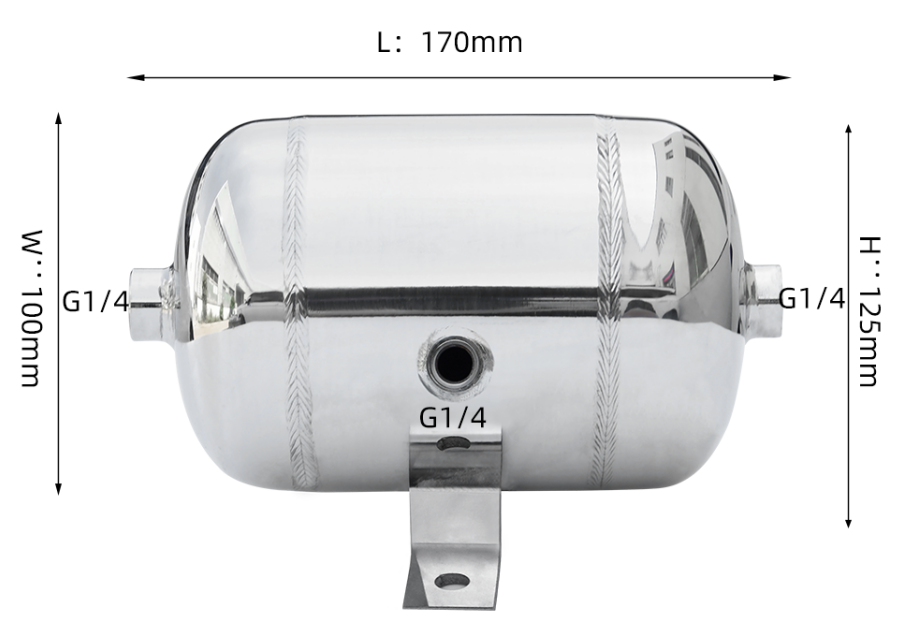
Rústfritt stál með spegilsík loftvinnslutankann Tankur:
- Lengdarsaumklöppun: Notar undirskolklöppunaraðferð.
- Umskriðusöumklöppun: Notar argonbogaklöppunaraðferð til að tryggja jafnleika og gæði klöppunarskinnans.
-
Eiginleikar :
- Undirskolklöppun er klöppunaraðferð þar sem rafboginn brenn undir lagi af flúði. Undirskolklöppun hefur ávinninga svo sem staðbundna klöppunargæði, háa framleiðslueffekt, engan rafbogaljós og minni reykur og dust, sem gerir hana að helstu klöppunaraðferð fyrir framleiðsla mikilvægar steinstyrktar uppbyggingar eins og ýtristanki, reikistuðla og kassastuðla og dýptustuðla.
- TIG-klöppun notar argongas til verndunar og er hentug fyrir auðveldlega oxíduð föt eins og rústfritt stál og ál hún er dýrari en gefur fallega saumstöður.
- Gasmetallbogasauma (GMAW) notar venjulega koltvísil og er hentug fyrir lág- kolefnisstál hún er ódýrari en gefur meiri smjör.