

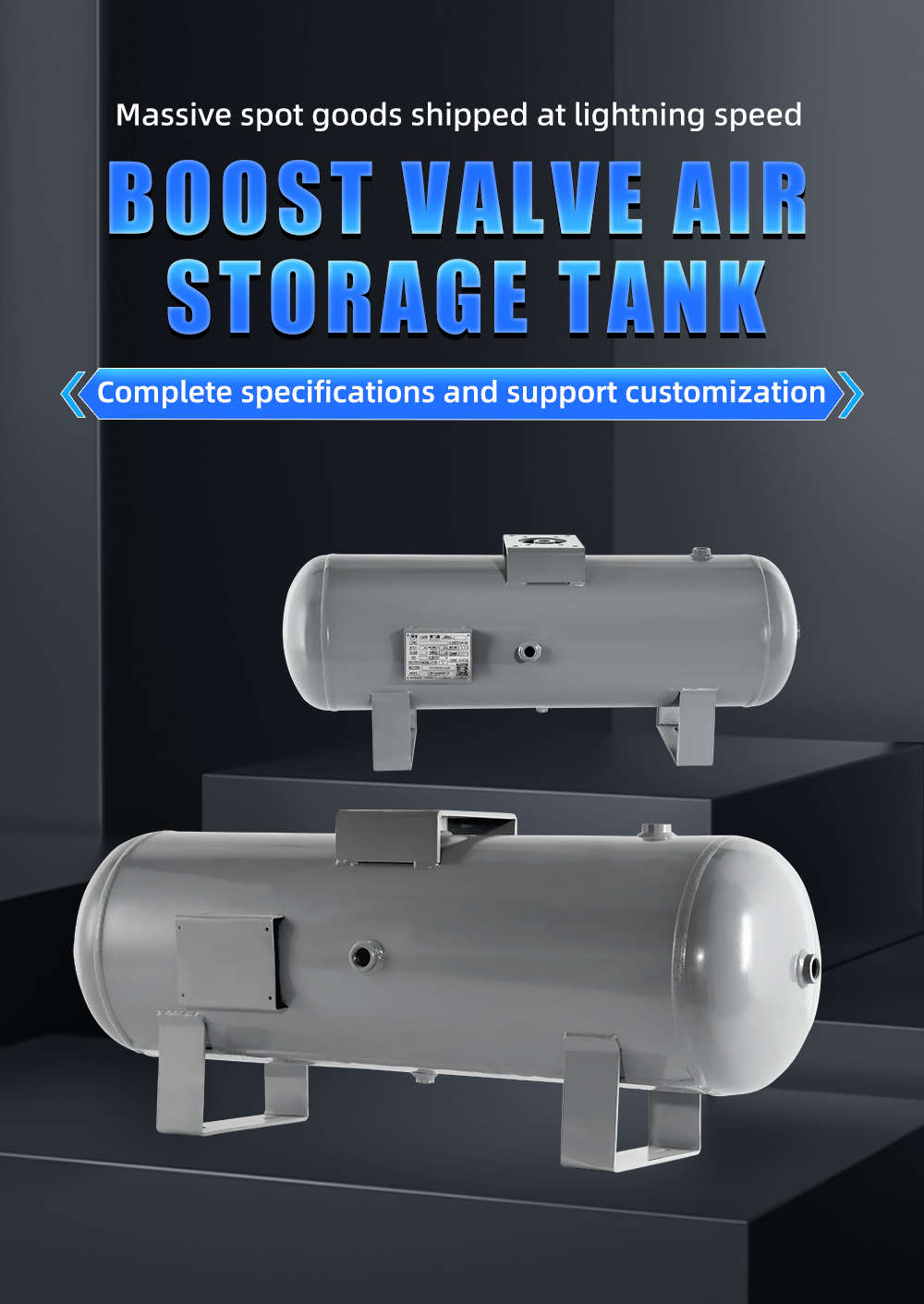
Mae tangiadau derfynol aer o werth crafftedd yn dibynio ar gynlluniau arwyneb o ansawdd uchel i wrthsefyll corffsiwn a ehangu hyd gwasanaeth mewn amgylchiadau diwylliannol anodd. Mae llawer o brydwyr yn canolbwyntio ar brand lliw a thua'r cynllun, ond yn anwybyddu'r cam rhag-trin pwysicaf: arianu. Mae gradd yr arianu'n pennu'n union cryfder adhesiwn rhwng y cynllun gwrth-gorffsiwn a'r tanwyneb stål, sydd yn ystyr y gwaranti sylfaenol ar gyfer perfformiad gwrth-gorffsiwn hir-dymor. Fel cynhyrchydd brofiadur o gynhwysyddion pwysau, mae YCZX yn egluro sut mae gwahanol ragraddau arianu yn effeithio adhesiwn cynllunio, gofynion safonau diwylliannol a phennu'r brosesau cywir, er mwyn helpu cleientiaid byd-eang i asesu'r ansawdd go iawn o cerdd Carbon tangiadau storio aer.
Y Rôl Sylfaenol o Arianu ar Tangiadau Aer Crafftedd
Mae sblintio tywod yn broses trin arwyneb mecanegol sy'n defnyddio rhannau tywod sydd yn cael eu prosiectio ar gyflymder uchel i gwrdd â chorff y tanlith o stal carbon. I gynhwysyddion pwysedd stal carbon, mae'n gweithredu tri phwrpas crafftu ar gyfer crioiau nesaf:
Yn gyntaf, mae'n tynnu'r cyflwr arwyneb yn llwyr. Mae'n tynnu'r sgâl ocsid sydd wedi ei rollo, y goleuo, a'r greisffordd a'r llwch sydd wedi gweddïo ar arwyneb y plât stal, gan eich bod yn rhoi'r islawr metel lân i'w gweld, sef y haen canolfwydd anaddefol a fyddai'n achosi'r crioiau i ddod i ffwrdd.
Yn ail, mae'n creu arwyneb asgelliedig unfform. Mae sblintio priodol yn ffurfio patrymau ancler manwl ac unfform ar arwyneb y stal. Ar ôl crio, mae'r lliw yn mynd i mewn i'r strwythurau micro concave-convex hyn, gan ffurfio grym rhyngweithio mecanegol, sydd yn gwella adhesiwn ffisegol y crio yn sylweddol.
Y drydd, mae'n rhyddhau straen arwynebol. Gall effaith y llwch grynoi gael gwared ar ran o'r straen wedi gorffen ar arwyneb yr haearn wrth rollo a thânio, ac yn lleihau'r risg o greadiadau ar y cynghorffwrth oherwydd newid straen y substrat yn ystod defnyddio yn y dyfodol.
Cyrsiau Cyffredin o Glirhad o Blasiodd Grynio (Safon ISO 8501-1)
Mae safon rhwngllyd cyffredinol am glirhad o blasiodd grynio yn ISO 8501-1, sydd yn rhannu'r graddfa driniaeth yn pedwar lefel. Mae gwahanol lefelau yn cyfateb i wahanol raddau o glirhad arwynebol a sefyllfaoedd defnyddio:
Sa 1 – Clirhad Grynio Ysgafn
Gall tynnu dim ond rhewyn gorsaf, sgâl ocsid a theithiadau arwynebol. Mae'r radd o glirhad yn is, ac mae adhesiwn y cynghorffwrth yn drwm. Mae'n addas yn unig ar gyfer triniaeth atal rhewyn dros dro, nid ar gyfer cynghorffwrth atal corffiad ffurfiol ar gynhwysyddion pwysedd diwydiol.
Sa 2 – Clirhad Grynio Masnachol
Tynnu'r rhan fwyaf o'r sgâl ocsid, yr haearnwyrdd a'r contaminiantau, gyda bychan o adferiad sydd yn adherio'n gryf yn cael ei ganiatáu. Gall cydymffurfio â gofynion sylfaenol at gwrth-gorffwdiad, ond mae ei amser gweithio wedi'i gyfyngu mewn amgylchiadau poeth neu gorffwdiadol.
Sa 2.5 – Clirio Trawsgrin Gofalgar i Fetal Wen
Tynnu bron pob sgâl ocsid, haearnwyrdd a llai o lygreddau eraill. Ar ôl y triniaeth, mae'r arwyneb yn dangos luster metelol unfform, gyda dim ond olion bach iawn sydd yn cael eu caniatáu. Mae hwn yn safon briflinell ar gyfer tangseddau awyrgofn o steil garbon diwylliannol, gan gydbwysio effaith gwrth-gorffwdiad a chost cynhyrchu.
Sa 3 – Clirio Trawsgrin Gofalgar i Fetal Gwyn
Uchafswm gradd o glirhad. Mae'r arwyneb a drinir yn rhag ofn unrhyw olion a welir, ac yn dangos lliw arian-gwyn unfform o fetel. Defnyddir hwn mewn amgylchiadau gorffwdiad eithafol fel arfordir a'r diwydiant cemegol, ac mae'n costio'r uchafswm.
Sut mae Gradd Trawsgrin yn Effeithio ar Adheision Cynllunio
Mae'r mecanwaith crafftedig ar gyfer gwneud adhesion y lliw yn well drwy sgrinio tywod yn ymdrech ar leihau llid a effaith proffil angor. Mae'r gwahaniaeth rhwng graddau sgrinio tywod yn pennu'n uniongyrchol cryfder adhesion terfynol:
Yn gyntaf, mae gradd isel o leihau llid yn golygu bod sgâl ocsid a rhew yn weddillion ar y danwared. Mae'r defnyddiau llai gryf hyn yn cael eu gosod rhwng y plât stêl a'r lliw, gan ffurfio haen gysylltu llai gryf. Dan weithrediad newid tymheredd, gwrthdrawiad a chyklau gwasgair awyr, mae'r lliw yn hawdd i wahanu a thynnu i ffwrdd o'r rhyngwyneb llai gryf, ac felly nid yw'n gallu ffurfio diogelwch effeithlon ar gyfer corff y tangen.
Yn ail, mae gwerth rhyngwyneb gwrthrychol rhesymol yn ffurfio grym angor mecanyddol. Gall sgrinio tywod gradd Sa 2.5 ffurfio proffil angor cyson a rhesymol (fel arfer 30 –75μ m am tan Fasgen cynlluniau gwrth-gorffwyd). Mae'r deunydd lliwio'n mynd yn llwyr i mewn i'r strwythur micro concave-convex, ac mae'r grym gysylltiad yn llawer uwch na ar wyneb glân. Mae anghyffredinrwydd digonol yn arwain at grym cyfleustoddiad annigonol y lliw; mae anghyffredinrwydd goruchaf yn achosi bod y pwyntiau uchaf o'r rhannau amlyg yn rhy fflat, sy'n arwain at bwyntiau cynnar o gorffwyd.
Yn drydedd lle, mae sylwadau tywod o uchelgeisiol yn sicrhau gweithgarwyaeth arwynebol unffurf. Mae'r arwyneb metaliwglan yn cynnig egni arwynebol uwch, ac mae'r deunydd lliwio yn cael gweithgarwyaeth well, gan allu ffurfio cysylltiad moleciwlaidd agosach â'r isadeilad, a'r adhesiwn cyffredinol yn fwy sefydlog a chynnaladwy.
Cydraddoliadau Anghyffredinrwydd Sylwadau Tywod ar Hyd Defnydd y Lliw
Defnyddio sylwadau tywod o isradd i leihau costau yn dod â gyfres o broblemau cudd i ddefnydd dyfodol canser awyr o steil carbon:
Yn gyntaf, mae'r cromfach yn ddiynu yn gynnar. Heb adhesiwn digonol, bydd y cromfach yn cracio a'u hwylio i ddarnau dan amrywiaeth o lefelau o wasgu aer hir-dymor a llidio amgylcheddol. Gall y cromfach gwreiddiol atal corffwysedd, sydd â pherthnasiad cynllunio o 8 –10 blwyddad, methu mewn 2 –3 blwyddad.
Yn ail, mae corffwysedd lleol yn digwydd dan y cromfach. Mae parâu dŵr a rhagfyrdd corrosgyddol yn mynd trwy ran anaf o'r adhesiwn, gan achosi corffwysedd dan y ffilm. Mae'r haen haearn yn ehangu'n barhaus, gan bwyso'r cromfach i boblogi o fewn, ac yn ffurfio mannod haearn ar arwyneb y tangen ar raddfa fawr.
Yn drydydd, mae costau cynnal a chadw yn cynyddu yn sylwadwy. Unwaith na fydd y cromfach yn gweithio, mae angen i'r tangen sefyll i'w trowlio a'i lliwio eto, sydd yn cynyddu costau cynnal a chadw yn ogystal â chachenni colli cynhyrchu i'r ffatri.
Proses Trowlio YCZX FFatri a Rheoli Ansawdd
Yn y ffabrig YCZX, mae pob tanlenni derbyn awyr o steel carbon yn defnyddio sylwad tywod o raddfa Sa 2.5 fel cyfluniad safonol, ac yn rhwymedig i reoli prosesau cryf i sicrhau adhesiwn cynllun sydd yn sefydlog:
Rydym yn defnyddio cromblediad cymysg o grym steil a chwblau steil i sicrhau effeithlonrwydd clirio a rhagoriad priodol ar wyneb, gan amharu'r rhagoriad gormodol neu annigonol. Ar ôl y sylwad tywod, mae tîm QC yn inspeithio clirrwydd a rhagoriad y wyneb drwy gymharu â samplau safonol a meithriniau mesur proffesiynol, ac rhaid ailbrosesu unrhyw elfennau nad ydynt yn cyd-fynd â'r meini Prawf.
I amharu rhwymo ail-rewin ar ôl y sylwad tywod, rydym yn cwblhau'r llusgo cynllun o fewn y ffenestr amser penodedig, gan sicrhau bod y cynllun yn cyfuno â'r wyneb metel newydd yn y sefyllfa orau. Rydym hefyd yn cynnal profion adhesiwn croestorri ar gynhyrchion gorffeniedig mewn swmpiau, ac yn cynnal profion sâl sprêy yn rheolaidd i wirio effaith gwrth-gorffwsio go iawn o'r system cynllun.
Ar gyfer cwsmeriaid yn yr industryau arbennig fel y diwydiant arfordirol a'r diwydiant cemegol, rydym hefyd yn darparu sgrinio tywod Sa 3 gradd uwch a cynlluniau lliwgoedd gwrth-gorffwdiad trwm i gefnogi i fulfili gofynion defnydd dan amgylchiadau gwaith eithafol.
Cyngres Prisio Ymarferol ar gyfer Prynwyr
Pan o ddewiswch gynhwysyddion aer o stal carbon, peidiwch â phenderfynu ansawdd gwrthgorffwydo yn unig gan hyd haen a chryfder y lliw. Mae graddfa sylweddol y llif tywod, fel broses baratoad cyntaf allweddol, yn ffactor hanfodol sy’n pennu’r bywyd gwasanaeth go iawn ar gyfer y lliw. Ar gyfer mwyafrif y gweithleoliadau diwylliannol cyffredin a systemau awyr trowddwyllt mewn adeilad, mae graddfa Sa 2.5 o leihau tywod yn y dewis rhagorol o ran cost-effeithlonrwydd, ac yn llawn yn bodloni anghenion gwrthgorffwydo hir-dymor. Ar gyfer amgylchiadau gwaith lle mae’r cymylau yn uchel, yn ardal ogleddol neu lle mae’r gorffwydo’n dwys, mae angen dewis graddfa uwch o leihau tywod a system lliw cyfatebol. Fel cynhyrchydd proffesiynol o gynhwysyddion dan bwysedd, mae YCZX yn rheoli pob cyswllt o drin arwyneb o leihau tywod i liwio’n galed. Gallwn hefyd addasu cynlluniau gwrthgorffwydo penodol yn ôl yr amgylchiadau defnyddio gwirioneddol y cleientiaid er mwyn sicrhau bod pob cynhwysydd aer o stal carbon yn cadw perfformiad gwrthgorffwydo sefydlog a hyblyg trwy gydol ei oes gwasanaeth.
Ystadegau
- Y Rôl Sylfaenol o Arianu ar Tangiadau Aer Crafftedd
- Cyrsiau Cyffredin o Glirhad o Blasiodd Grynio (Safon ISO 8501-1)
- Sut mae Gradd Trawsgrin yn Effeithio ar Adheision Cynllunio
- Cydraddoliadau Anghyffredinrwydd Sylwadau Tywod ar Hyd Defnydd y Lliw
- Proses Trowlio YCZX FFatri a Rheoli Ansawdd
- Cyngres Prisio Ymarferol ar gyfer Prynwyr

