
4 zásadní bezpečnostní protokoly pro nádobu na stlačený vzduch
Time: 2026-02-28
Nádoby na stlačený vzduch jsou tlakové nádoby s vysokým rizikem. Upřednostněte tyto zásadní opatření pro provozní bezpečnost a dodržování předpisů.
-
Výběr certifikované nádoby
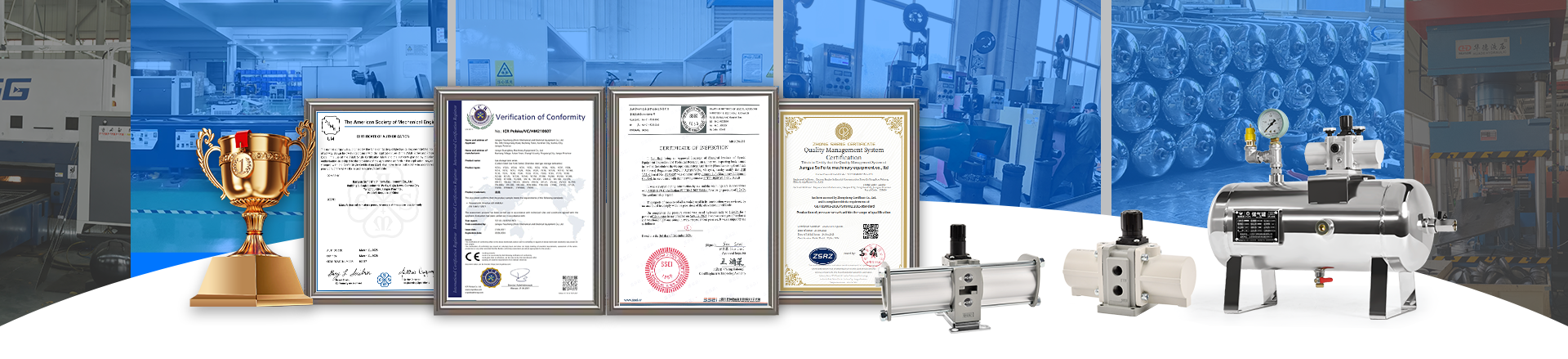
Získejte nádoby na stlačený vzduch certifikované podle norem ASME/PED od akreditovaných výrobců. Ověřte třídu materiálu, konzistenci tloušťky stěny, jmenovité tlakové zařízení a kapacitu v souladu s výkonem kompresoru. Zamítněte jednotky s vadami svařování nebo neověřenými technickými specifikacemi.
-
Povinné bezpečnostní příslušenství
Namontujte pojistný ventil, trhací disk a kalibrovaný tlakoměr v souladu s předpisy. U pístových kompresorů:
Zpětný ventil mezi kompresorem a nádobou na stlačený vzduch
Potrubí pro uvolnění tlaku se zesílenou hlukovou izolací nad zpětným ventilem
Mezi kompresorem a nádobou nesmí být žádný uzavírací kohout
Uzavírací kohout je povolen pouze na výstupním potrubí nádoby ke sběrnému potrubí -
Montáž zařízení pro tlumení vibrací
Zajistěte nádrž pevně k základně. Dodržujte vzdálenost mezi kompresorem a nádrží dle projektové specifikace. Neztlumené pulzace vyvolávající vibrace uvolňují spoje, což může vést k únikům nebo katastrofálnímu poškození tlakové nádoby. -
Prevence hromadění oleje
Denní odvod kondenzátu je povinný. Sledujte teplotu výstupního vzduchu z kompresoru. Nainstalujte vstupní filtry a koalescenční filtry. Uzemněte nádobu na stlačený vzduch. Usazeniny kontaminované olejem v systémech kompresorů s olejovým mazáním představují riziko samozápalu.
Plánujte certifikované prohlídky. Vedejte dokumentaci údržby. Bezpečnost není volitelná.
Klíčová slova: bezpečnost nádoby na stlačený vzduch, soulad s požadavky na tlakové nádoby, údržba kompresorového systému, prevence hromadění oleje, tlumení vibrací, montáž pojistného ventilu, nádoba na stlačený vzduch podle normy ASME

