

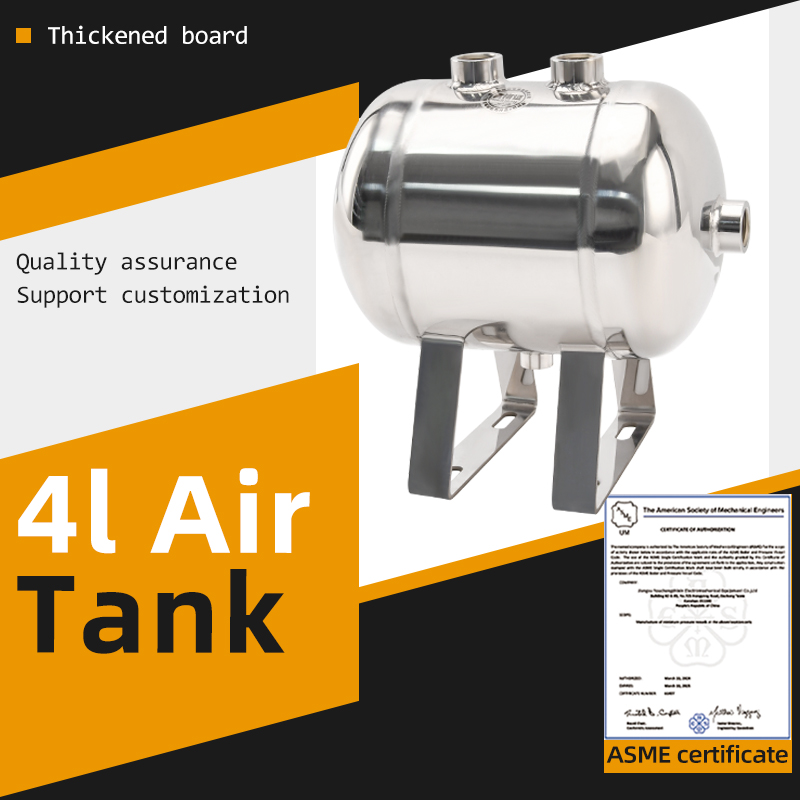
Пры ацэнцы паветраных рэзервуараў і пневматычных кампанентаў большасць прамысловых пакупнікоў звяртаюць увагу на матэрыял рэзервуара, працоўны ціск і аб'ём, але рэдка ўважліва правяраюць дакладнасць нарэзкі рэзьбы. Як асноўны пункт злучэння паміж паветранымі рэзервуарамі, трубаправодамі, клапанамі і пневматычнымі выканальнікамі, рэзьбавыя ўводы з'яўляюцца найбольш распаўсюджаным месцам паветраных праток у сістэмах сціснутага паветра. Недастатковая дакладнасць рэзьбы не толькі выклікае пастаянныя страты паветра і марную трачу энергіі, але і стварае схаваныя рызыкі для ўстойлівасці сістэмы і бяспекі абсталявання. Як прафесійны вытворца ціскавых рэзервуараў, які ўважліва кантралюе якасць на ўсіх этапах вытворчасці, YCZX тлумачыць, як дакладнасць рэзьбавых уводаў уплывае на герметычнасць, якія рызыкі нясуць рэзьбы нізкай дакладнасці і як мы забяспечваем кантроль якасці апрацоўкі ад самага пачатку вытворчага працэсу.
Чаму рэзьбавыя ўводы з'яўляюцца крытычнымі пунктамі герметычнасці пневматычных сістэм
У поўнай сістэме сціснутага паветра ўсе шляхі перадачы газу залежаць ад рэзьбовых злучэнняў для зборкі ад паветраны бак выходу да трубаправода, манометра, клапана бяспекі, крана для адводу вады і канчатковага абсталявання. У адрозненне ад рэзервуара, які ўтварае цэласную герметычную канструкцыю шляхам зваркі, рэзьбовае злучэнне — гэта здымаецца герметычная канструкцыя, якая залежыць ад шчыльнага прылягання паверхняў рэзьбовых зубоў і запаўнення герметызавальных матэрыялаў для прадухілення выцяку газу.
Апрацоўка дакладнасці кроку рэзьбы, вугла зубоў, кануснасці і якасці апрацоўкі паверхні напрамую вызначае ступень прылягання ўнутранай і знешняй рэзьбы. Нават невялікі адхіленне памераў можа стварыць нябачныя практыкі на паверхні злучэння. Пад уздзеяннем працоўнага ціску гэтыя практыкі стануць шляхамі выцяку. Для міні-рэзервуараў, якія выкарыстоўваюцца ў дакладным аўтаматычным абсталяванні, невялікі выцяк паветра можа выклікаць нестабільнасць ціску ў канчатковых выканальніках і ўплываць на дакладнасць вытворчасці.
Агульныя рызыкі, выкліканыя рэзьбовымі злучэннямі нізкай дакладнасці
Рэзьбовыя злучэнні нізкай дакладнасці, здаецца, здымаюць невялікую колькасць выдаткаў на вытворчасць, але прыводзяць да некалькіх доўгатэрміновых схаваных праблем у пневматычнай сістэме:
Па-першае, пастаянная мікра-праток і страта энергіі
Нестандартная форма зубоў рэзьбы і крок прыводзяць да няпоўнага прылягання паверхняў зубоў. Нават пры абгорванні вялікай колькасцю фторапластавай стружкі цяжка поўнасцю заблакаваць мікра-празоры. Доўгатэрміновы павольны праток паветра выклікае частае ўключэнне і нагрузкі паветранага кампрэсара, што павялічвае непатрэбны спажыванне электраэнергіі. Згодна з фактычнымі інжынернымі статыстычнымі данымі, некалькі праточных рэзьбовых злучэнняў могуць выклікаць страту сціснутага паветра на 10%–20% для ўсёй сістэмы.
Па-другое, лёгкае праскальзыванне рэзьбы і кароткі тэрмін службы
Рэзьба з памерамі, якія не адпавядаюць дапушчальным адхіленням, часта застрывае і праскальзвае пры ўстаноўцы. Прымусовае затягванне выклікае абразіўнае пашкоджанне паверхні рэзьбы і нават разрушэнне рэзьбы. У абладнанні, якое патрабуе частай разборкі і тэхнічнага абслугоўвання, рэзьба нізкай дакладнасці спажываецца пасля некалькіх цыклаў зборкі і разборкі, што прыводзіць да таго, што ўвесь рэзервуар становіцца непрыдатным для далейшай эксплуатацыі з-за пашкоджання злучэння.
Трэцяе: збой уплотняльнага матэрыялу і забруджанне асяроддзя
Нероўны зазор рэзьбы выклікае нероўнае нагрузкаванне на ПТФЭ-стружку або уплотняльную пасту. Пад уздзеяннем перападаў ціску і вібрацыі ўплотняльны матэрыял лёгка разрушваецца і адпадае. З аднаго боку, гэта прыводзіць да збою ўплотнення і патраплення паветра; з другога боку, адпалыя абалонкі ўплотняльнай пасты і кавалкі ПТФЭ-стружкі з патокам паветра трапляюць у сістэму сціснутага паветра, закрываюць высокадакладныя клапаны, пашкоджваюць уплотняльныя кольцы цыліндру і выклікаюць збоі ў працы абладнання, размешчанага ў ніжнай частцы сістэмы.
Чацвёртае: нероўнае нагрузкаванне і небяспекі для бяспекі
Нізкія дакладнасць рэзьбы мае нероўнае нагрузкі на кожны зуб падчас затугі, і лёгка ўзнікае лакальнае канцэнтраванне нагрузкі. Пад уздзеяннем доўгатэрміновага цыклу ціскавых нагрузкі і механічных вібрацый паўстаяць усталёўныя трасіны ў карані рэзьбы, а ў цяжкіх выпадках можа адбыцца разрыв злучэння, што стварае рызыкі для бяспекі працы сістэм ціску.
Асноўныя перавагі вышыннай дакладнасці рэзьбовых уводаў для герметызацыі
Рэзьбовыя ўводы з высокай дакладнасцю апрацоўкі забяспечваюць камплекснае палепшанне надзейнасці герметызацыі і стабільнасці працы ўсёй пневматычнай сістэмы:
Па-першае, гэта забяспечвае больш надзейны эфект герметызацыі. Стандартызаваны памер рэзьбы і гладкая паверхня зубоў гарантуюць раўнамернае і шчыльнае прыляганне злучальных элементаў. Пры правільнай колькасці герметыкавага матэрыялу дасягаецца доўгатэрміновая стабільная герметызацыя, значна зніжаецца мікраўцечка, што дапамагае заводу знізіць страты сціснутага паветра і спажыванне энергіі.
Другое: павышае эфектыўнасць устаноўкі і тэрмін службы. Высокая дакладнасць рэзьбы дазваляе лёгка ўкруціць яе, не ствараючы працягнутых або паслабленых злучэнняў з-за адхіленняў памераў. Гэта зніжае складанасць устаноўкі на месцы, прадухіляе пашкоджанне рэзьбы пры вымушанай саборцы і значна падаўжае тэрмін службы злучэння пры шматразовых разборках і тэхнічным абслугоўванні.
Трэцяе: абараняе чысціню сціснутага паветра. Аднолькавы зазор рэзьбы забяспечвае раўнамернае нагрузкаванне ўшчыльнення і прадухіляе яго ад адшэпвання і ўтварэння адходаў, што выключае паўторнае забруджванне крыніцы паветра і абараняе ніжэй размешчаныя высокадакладныя пневматычныя кампаненты, такія як электрамагнітныя клапаны і цыліндры.
Чацвёртае: мае высокую ўзаемазаменяемасць і шырокую сумяшчальнасць. Рэзьба, выкананая строга ў адпаведнасці з міжнароднымі стандартамі, ідэальна падыходзіць да стандартных пневматычных кампанентаў розных брэндаў, што забяспечвае вялікія зручнасці для кліентаў пры будучай мадэрнізацыі сістэм і замене аксесуараў.
Як YCZX забяспечвае дакладнасць апрацоўкі рэзьбы ў вытворчасці
На заводзе YCZX апрацоўка рэзьбы з’яўляецца адным з ключавых працэсаў кантролю якасці, і мы ажыццяўляем поўны кантроль усёй працэдуры — ад тэхналогіі апрацоўкі да праверкі гатовых вырабаў — каб забяспечыць адпаведнасць кожнай рэзьбы стандартным патрабаванням да дакладнасці:
Мы выкарыстоўваем CNC-верстакі для адзінага працэсу апрацоўкі рэзьбы, у камплекце з стандартнымі метчыкамі і рэжучымі інструментамі ад вядомых брэндаў, каб забяспечыць аднолькавасць кроку рэзьбы, вугла зубоў і кануснасці. Уся апрацоўка рэзьбы адпавядае міжнародным агульным стандартам, у тым ліку паралельная трубачная рэзьба G (BSPP) і канусная рэзьба NPT, што дазваляе адпавядаць патрабаванням рынкаў розных рэгіёнаў.
Пасля апрацоўкі кожны рэзьбавы ўваход павінен прайсці праверку калібрам «прайдзе/не прайдзе». Калібры «прайдзе» павінен увярнуцца гладка, а калібры «не прайдзе» — не павінен увярнуцца; у гэтым выпадку рэзьба лічыцца адпаведнай. Непадыходныя вырабы строга адмаўляюцца і падлягаюць паўторнай апрацоўцы, каб прадухіліць праходжанне вырабаў з адхіленнямі ў наступны этап вытворчасці. Адначасова мы выконваем зняцце заусенцаў і паліраванне рэзьбавых уваходаў, каб забяспечыць гладкую паверхню зубоў без заусенцаў і пазбегнуць разрэзу ўшчыльненых матэрыялаў пры ўстаноўцы.
Перад адгрузкай кожны паветраны бак падвяргаецца поўнай праверцы герметычнасці пры зададзеным ціску. Усе рэзьбавыя ўваходы абстаўляюцца стандартнымі злучэннямі для праверкі ўтрымання ціску, каб пацвердзіць фактычную герметычнасць у працоўных умовах і забяспечыць адсутнасць пракачвання ў кожным злучэнні.
Практычныя парады для пакупнікоў па забеспячэнні надзейнага ўшчыльнення рэзьбы
У дадатак да выбару пневматычных бакаў з высокаточнымі рэзьбавымі ўваходамі, наступныя пункты таксама могуць дапамагчы пакупнікам дасягнуць лепшага эфекту ўшчыльнення ў фактычным выкарыстанні:
Па-першае, пераканайцеся ў стандартзе рэзьбы перад пакупкай. Рэзьба G і рэзьба NPT маюць розныя вуглы зубоў і кануснасць і не могуць быць прымусова злучаны. Няправільнае злучэнне — частая прычына паветраных праток.
Па-другое, правільна выкарыстоўвайце адпаведныя ўшчыльняльныя матэрыялы. Для цыліндрычнай рэзьбы G звычайна выкарыстоўваюць фторапластавую стружку або вадкасную ушчыльняльную сумесь; для кануснай рэзьбы NPT звярніце ўвагу на кірунак намоткі і колькасць пластоў стружкі, не наматвайце занадта шмат, каб пазбегнуць заклінання рэзьбы.
Па-трэцяе, затварыце з адпаведным момантам сілы. Не выкарыстоўвайце надмерную сілу для прымусовага затварэння, каб не выклікаць дэфармацыю рэзьбы або нават яе разрушэнне. Для важных злучэнняў рэкамендуецца выкарыстоўваць дынамаметрычны ключ і выконваць працу згодна з устаноўленымі значэннямі моманту сілы.
Чацвёртае, праводзіце рэгулярны кантроль на ўцечку. Выкарыстоўвайце мыльную ваду або дэтэктар уцечкі для рэгулярнай праверкі нарэзных злучэнняў і ў часе вырашайце праблемы з няўстойлівымі або пракаплівымі злучэннямі, каб пазбегнуць доўгатэрміновых непазначальных страт паветра.
Рэкамендацыі ад YCZX
Дакладнасць нарэзкі — гэта тыповая падрабязнасць, якая вызначае якасць. Яна можа здацца незначнай, але напрамую ўплывае на надзейнасць герметызацыі, узровень спажывання энергіі і бяспеку эксплуатацыі ўсёй пневматычнай сістэмы. Для міні- нержавеючая сталь буферных рэзервуараў, якія выкарыстоўваюцца ў высокадакладнай абсталяванні, значэнне дакладнасці нарэзкі яшчэ больш важна.
Як прафесійны вытворца паветраных рэцэптараў, YCZX дотрымліваецца высокіх стандартаў апрацоўкі ўсіх нарэзаных адтулін як у вялікіх прамысловых танках з вугляродзістай сталі, так і ў невялікіх вертыкальных буферных танках аб’ёмам 5 л з нержавеючай сталі. Мы таксама можам стварыць індывідуальныя нарэзкі паводле колькасці, становішча і стандартаў, вызначаных у кансумерскіх крэслях, каб забяспечыць ідэальнае ўзаемадзейніцтва з пневматычнымі сістэмамі кліентаў на месцы. Калі ў вас ёсць патрабаванні да канфігурацыі нарэзак і герметычнасці паветраных рэзэрвуараў, запрашаем вас да кАНТАКТ нашай тэхнічнай каманды для пацверджання мэтавага рашэння.
Змест
- Чаму рэзьбавыя ўводы з'яўляюцца крытычнымі пунктамі герметычнасці пневматычных сістэм
- Агульныя рызыкі, выкліканыя рэзьбовымі злучэннямі нізкай дакладнасці
- Асноўныя перавагі вышыннай дакладнасці рэзьбовых уводаў для герметызацыі
- Як YCZX забяспечвае дакладнасць апрацоўкі рэзьбы ў вытворчасці
- Практычныя парады для пакупнікоў па забеспячэнні надзейнага ўшчыльнення рэзьбы
- Рэкамендацыі ад YCZX

